
Choosing the right light bulb has evolved beyond simply replacing one that's burned out. With rising energy costs and a focus on sustainability, selecting the best energy efficient light bulbs is one of the smartest upgrades a homeowner can make. This shift not only lowers your utility bills but also enhances your living spaces.
For residents here on the Monterey Peninsula, where unique coastal climates and architectural styles demand thoughtful design, the right lighting is paramount. It’s about creating an inviting atmosphere that complements our foggy mornings and sunny afternoons while being mindful of our environmental footprint.
This guide is your resource for finding top-performing bulbs. We will dive into the best online and retail sources for today's most effective lighting, from standard LEDs to advanced smart bulbs. We'll equip you with the knowledge to illuminate your home efficiently and beautifully.
1. Amazon
Amazon is a go-to for purchasing the best energy efficient light bulbs due to its immense selection and competitive pricing. The platform aggregates countless brands, from leaders like Philips and GE to niche manufacturers, all in one place.
User Experience and Selection
The user interface is familiar, with powerful filters for brand, wattage equivalent, color temperature, and smart home compatibility. Customer reviews are a standout feature, providing real-world feedback on performance and longevity.
Pro Tip: Pay close attention to "Verified Purchase" reviews and look for patterns in feedback regarding flickering or early failure, as quality can vary significantly.
Practical Considerations
- Pricing & Shipping: Prices are highly competitive, especially during sales events like Prime Day. Prime members benefit from fast, free shipping.
- Pros: The sheer variety and user review system are unmatched, allowing you to compare dozens of options easily.
- Cons: The vast marketplace can be its downfall. Quality control is inconsistent across sellers, and you may encounter counterfeit products.
While Amazon is excellent for sourcing individual bulbs, those planning a full renovation might find it beneficial to explore curated collections. For a deeper dive, you can learn more about LED lighting options and how they fit into a cohesive design.
2. The Home Depot
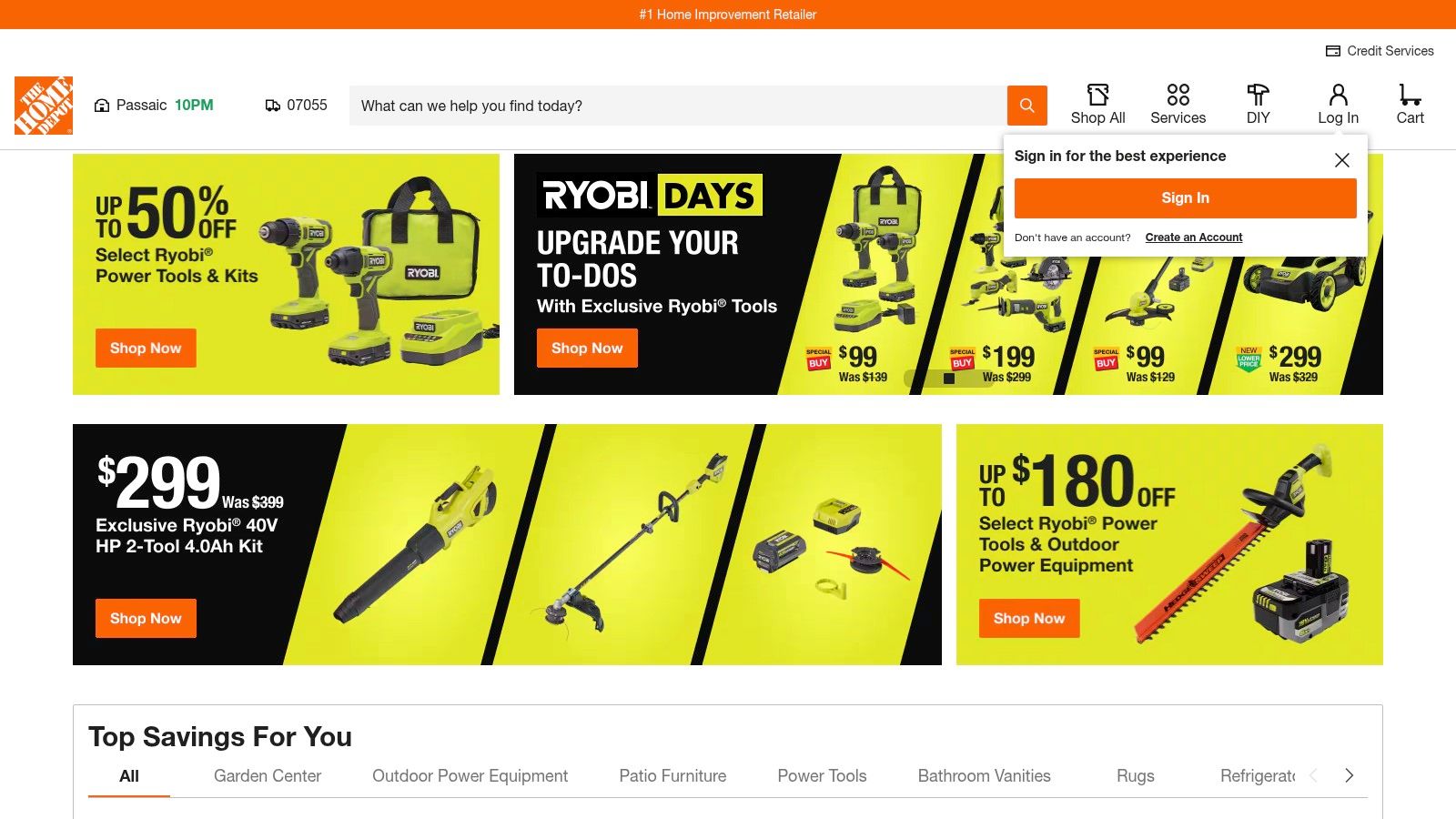
The Home Depot is a trusted resource for homeowners and professionals seeking the best energy efficient light bulbs. It combines a vast online catalog with the convenience of physical stores, making it a dependable one-stop shop.
User Experience and Selection
The Home Depot’s website offers robust filters that let you sort by brand, brightness, and California Title 24 compliance. Its strength lies in detailed product specifications and helpful DIY guides that empower customers. The "buy online, pick up in-store" option is a significant advantage for immediate needs.
Pro Tip: Use the "Compare" feature to see a side-by-side breakdown of up to four different bulbs. This is useful for evaluating lumens per watt, lifespan, and warranty.
Practical Considerations
- Pricing & Shipping: Prices are competitive and often supported by a price match guarantee. Multiple delivery options or free in-store pickup provide flexibility.
- Pros: Having physical locations means you can get hands-on advice. The integration of online inventory with local stores is a major convenience.
- Cons: Popular items can be out of stock for delivery, and shipping times are not always as fast as online-only competitors.
Visit The Home Depot
3. Lowe's
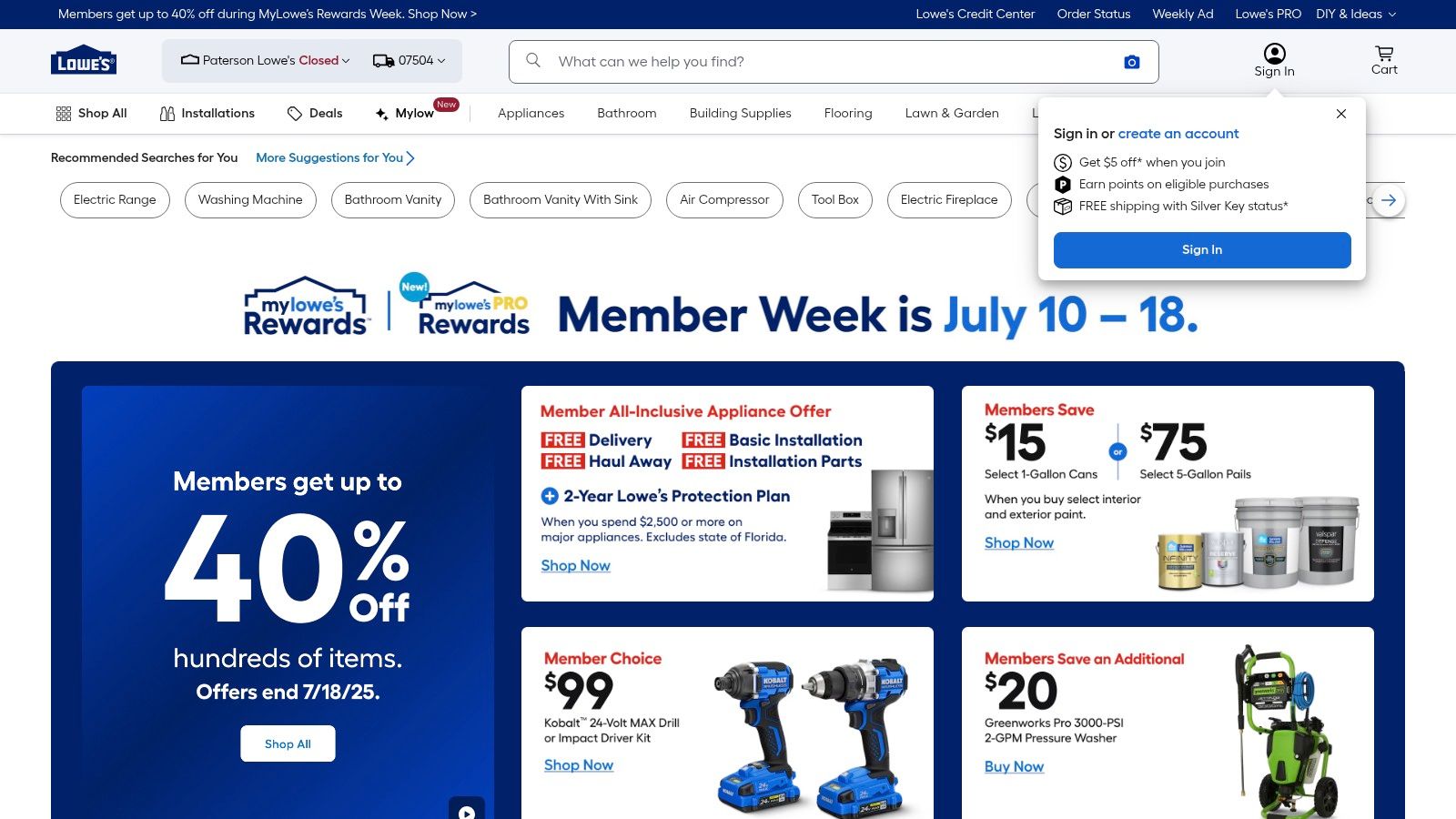
Lowe's stands out for homeowners looking for the best energy efficient light bulbs combined with hands-on support. As a major retailer, it offers a well-curated selection of trusted brands like GE and Utilitech.
User Experience and Selection
The Lowe's website provides a straightforward shopping experience with useful filters for bulb type, brightness, and brand. Its key advantage is the integration between online and physical stores, allowing you to check local inventory. The platform also features helpful DIY project guides and product comparison tools.
Pro Tip: Use the "Compare" feature on the Lowe's website to see a side-by-side breakdown of specs like lumens, color temperature, and estimated yearly energy cost.
Practical Considerations
- Pricing & Shipping: Prices are competitive, and Lowe's frequently runs sales. The free in-store pickup option is a convenient way to save money and get your bulbs immediately.
- Pros: The ability to see products in person and get advice from staff is a major plus. It's a great blend of online convenience and physical store support.
- Cons: Online stock for specialty bulbs can sometimes be limited, and inventory may vary significantly between store locations.
For those undertaking a significant project, pairing bulbs with fixtures is crucial. You can find expert guidance by exploring different residential lighting solutions that fit your home's unique style.
4. Philips Lighting
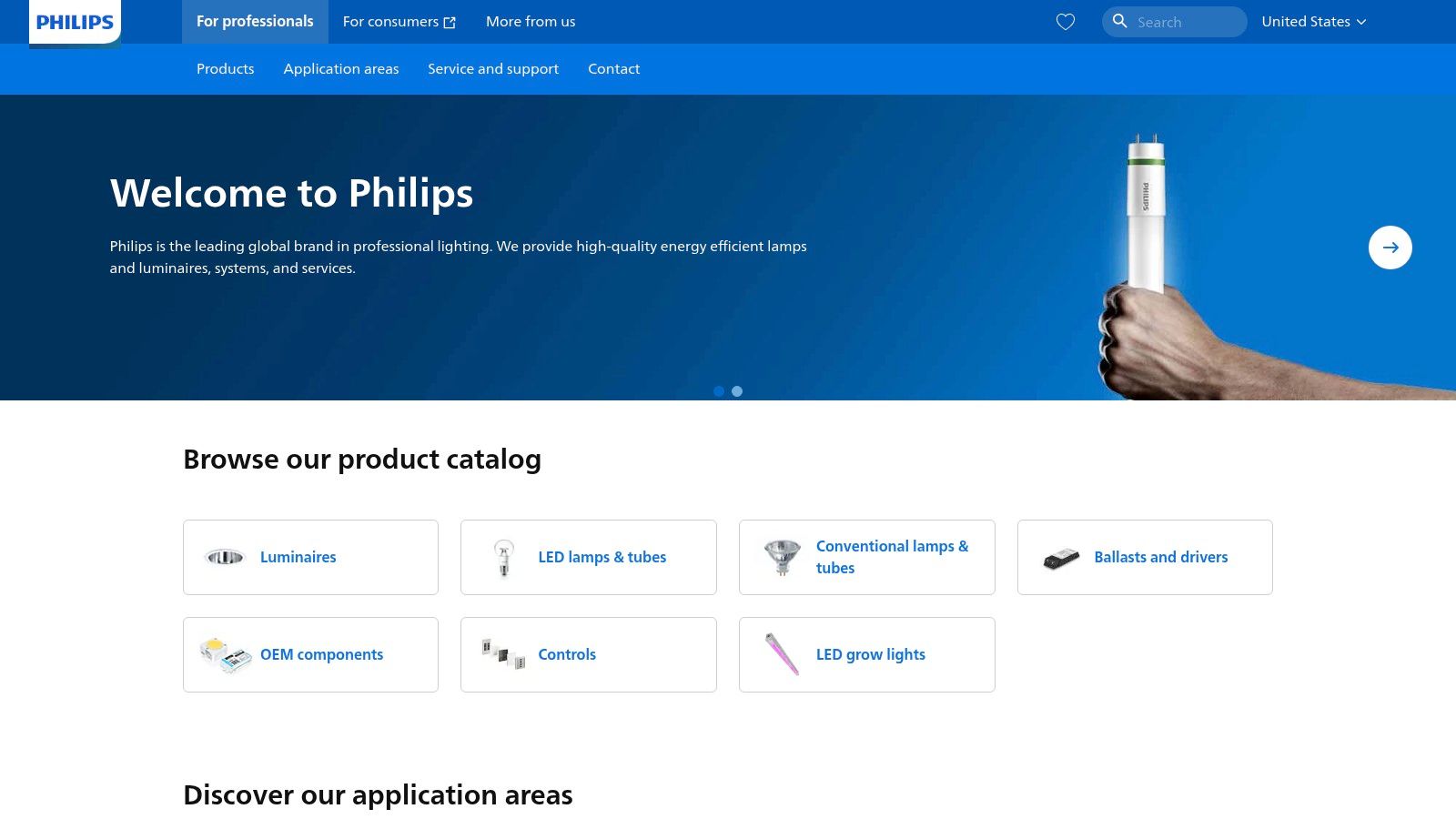
For those who want to buy directly from a leading innovator, the Philips Lighting website is a definitive source. It offers a direct-to-consumer channel, showcasing their entire portfolio, especially the industry-defining Philips Hue smart lighting ecosystem.
User Experience and Selection
The website is clean, professionally designed, and focuses on educating the consumer about their product lines. You can easily find in-depth specifications, warranty details, and compatibility guides. The selection is exclusively Philips, which simplifies the shopping process but eliminates cross-brand comparisons.
Pro Tip: Use the site's extensive support and FAQ sections to troubleshoot or plan a smart home integration. The information here is far more detailed than what you'll find on retailer pages.
Practical Considerations
- Pricing & Shipping: Prices are typically at MSRP, which is often higher than on Amazon or at big-box stores. However, you are guaranteed authentic products.
- Pros: Access to the latest products, comprehensive technical specs, and robust customer support directly from the source.
- Cons: Limited to a single brand and prices are generally not as competitive as third-party retailers.
Buying from the source is excellent for specific needs, but integrating these products into a complete design requires a broader view. For guidance, you can explore options for choosing the right LED fixtures and ensure a cohesive aesthetic.
5. Energy Star
Energy Star is not a retailer but a crucial government-backed program for identifying the best energy efficient light bulbs. It provides a searchable database of products that meet strict efficiency criteria set by the U.S. Environmental Protection Agency. This makes it an indispensable research tool for consumers who prioritize verified quality.
User Experience and Selection
The platform's primary function is educational. Its interface is designed to help you find and compare certified products, offering detailed data on energy use, brightness, and estimated yearly costs.
Pro Tip: Use the "Find a Rebate" feature on the Energy Star site. You can often find local utility company incentives for purchasing certified bulbs, lowering the cost of high-quality lighting.
Practical Considerations
- Pricing & Shipping: As a non-commercial entity, Energy Star does not handle sales or shipping. It provides links to retailers where certified products can be purchased.
- Pros: It’s a trusted, unbiased resource offering reliable data on energy performance and a baseline guarantee of quality.
- Cons: The selection is limited to certified products, and the user must visit a separate retail website to make a purchase.
For a broader understanding of home efficiency, resources like an Ecological Home Energy Guide can provide a holistic view. To see how these bulbs can be integrated into a professional design, you can learn more about energy-efficient LED lights and their applications.
Visit Energy Star
6. Best Buy
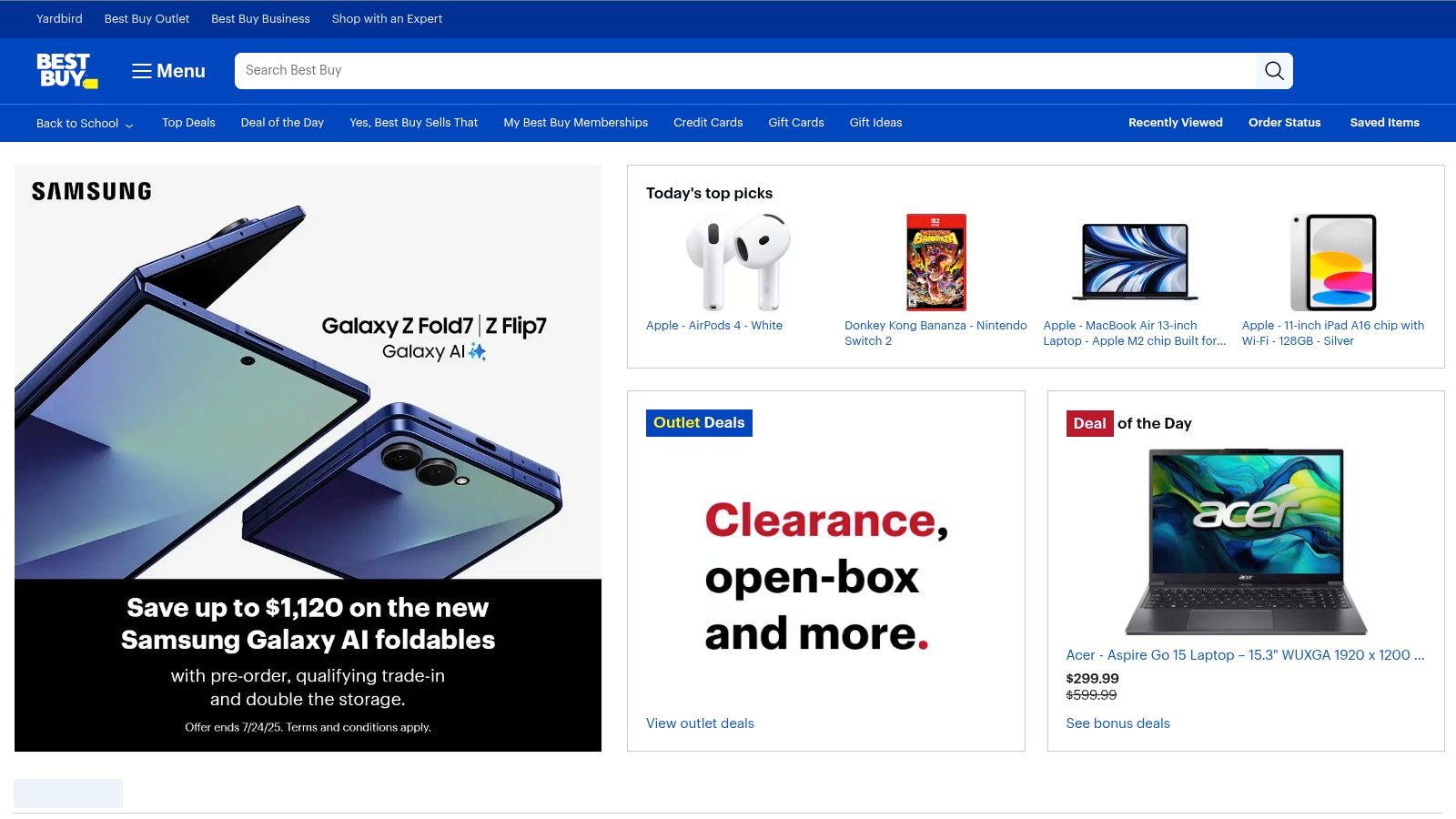
Best Buy is a strong contender for purchasing energy-efficient light bulbs, especially for those invested in the smart home ecosystem. The retailer offers a curated selection of smart lighting from major brands like Philips Hue, Nanoleaf, and GE Cync. This focus makes it a prime destination for integrating lighting with systems like Google Home or Amazon Alexa.
User Experience and Selection
Best Buy’s website and stores showcase how smart products work together. You can easily filter for bulbs compatible with your smart home setup, a key advantage over generalized retailers. The ability to see products in person and consult with knowledgeable staff is invaluable for those new to smart lighting.
Pro Tip: Use Best Buy’s price match guarantee. If you find one of their stocked bulbs for a lower price at a major competitor, they will often match it.
Practical Considerations
- Pricing & Shipping: Frequent sales on smart home bundles offer significant value. They provide flexible options, including same-day delivery and free in-store pickup.
- Pros: Excellent resource for smart home integration, with helpful staff and a price match policy.
- Cons: The selection of non-smart, standard energy-efficient bulbs is more limited compared to hardware superstores.
Visit Best Buy
7. Walmart
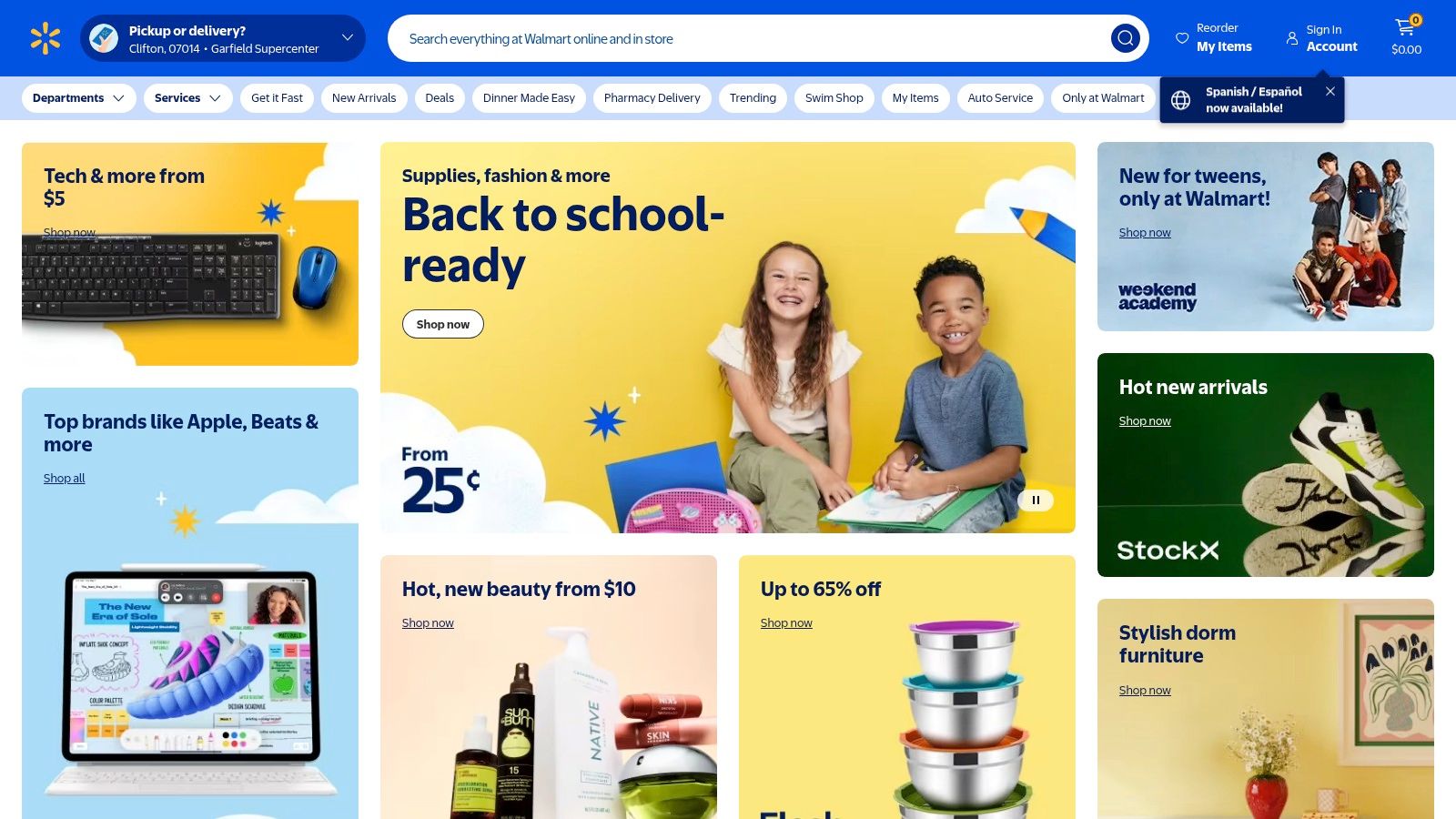
Walmart stands out for budget-conscious shoppers seeking the best energy efficient light bulbs without sacrificing convenience. The retailer offers a solid range of affordable LEDs and smart bulbs from its house brand, Great Value, alongside other known names.
User Experience and Selection
The shopping experience is straightforward and efficient. The website provides basic filters, while customer reviews offer insight into product quality. The ability to check local store inventory for immediate pickup is a significant advantage.
Pro Tip: Walmart's Great Value brand often provides the lowest price point for LED bulbs. Check reviews for feedback on dimmability and color consistency if those features are critical.
Practical Considerations
- Pricing & Shipping: Prices are consistently low, and the platform frequently runs promotions. Shoppers can opt for free in-store pickup or get fast shipping with a Walmart+ subscription.
- Pros: Unbeatable affordability and a convenient shopping experience that blends online and physical retail.
- Cons: The selection of premium or specialty brands is limited, and quality can be inconsistent across lower-priced options.
8. Target
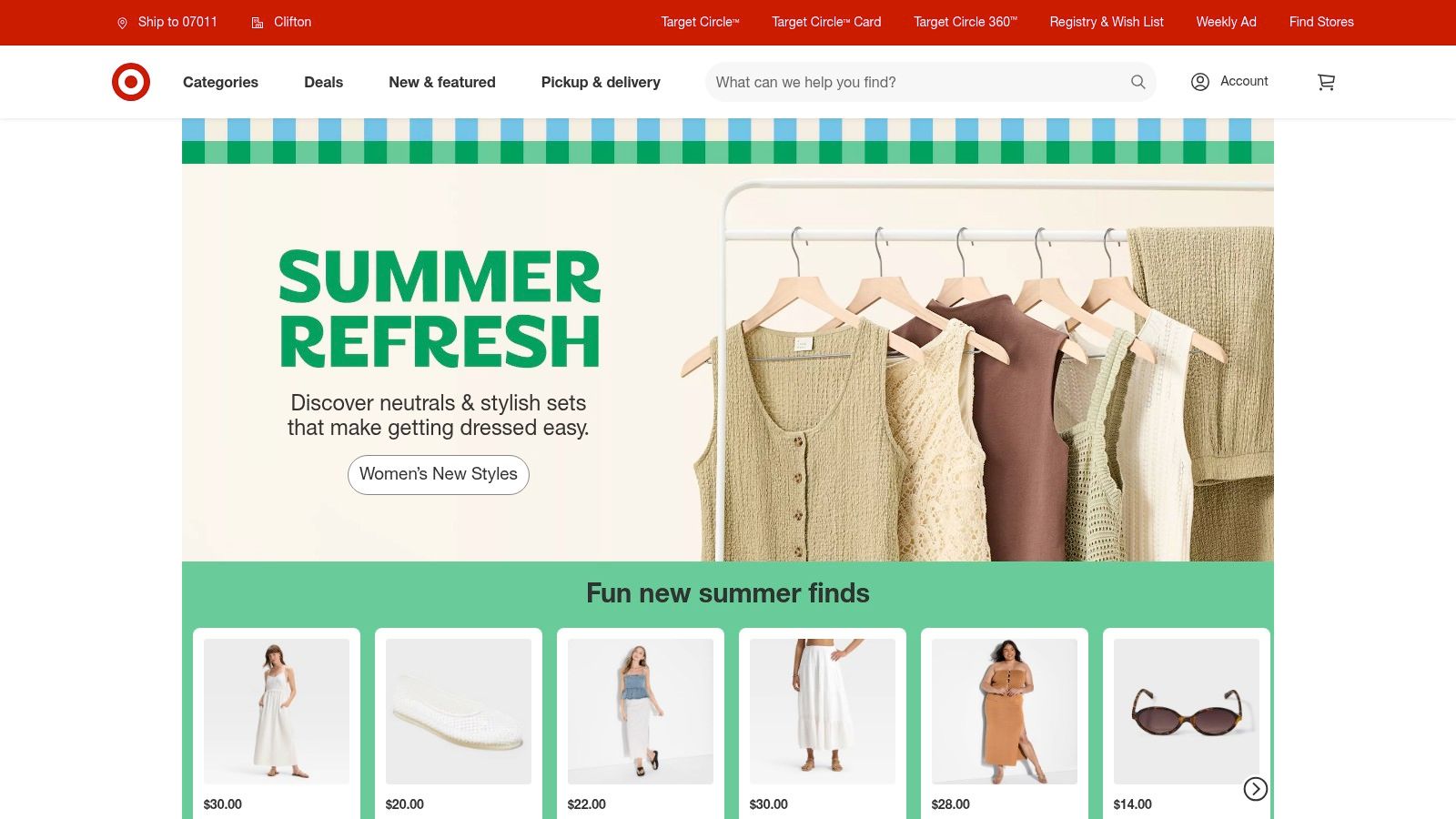
Target offers a curated, consumer-friendly selection of energy-efficient light bulbs that balances style with accessibility. Its strength lies in providing popular, reliable options from trusted brands like GE and its own in-house lines.
User Experience and Selection
Shopping at Target is streamlined and convenient. The website features clear product pages with customer reviews, making it easy to gauge performance. The selection focuses on the most common wattages and color temperatures that suit typical household needs.
Pro Tip: Utilize the Target Circle rewards program for frequent discounts on home goods, including lighting. Combining these deals with their price match policy can result in savings.
Practical Considerations
- Pricing & Shipping: Prices are competitive, with options for same-day delivery via Shipt or free in-store pickup. These convenient fulfillment methods are a major advantage.
- Pros: The shopping experience is highly convenient, and their curated selection often includes stylish options.
- Cons: The product range is limited compared to dedicated lighting or hardware stores. Stock can be inconsistent for less common bulb types.
9. Bulbs.com
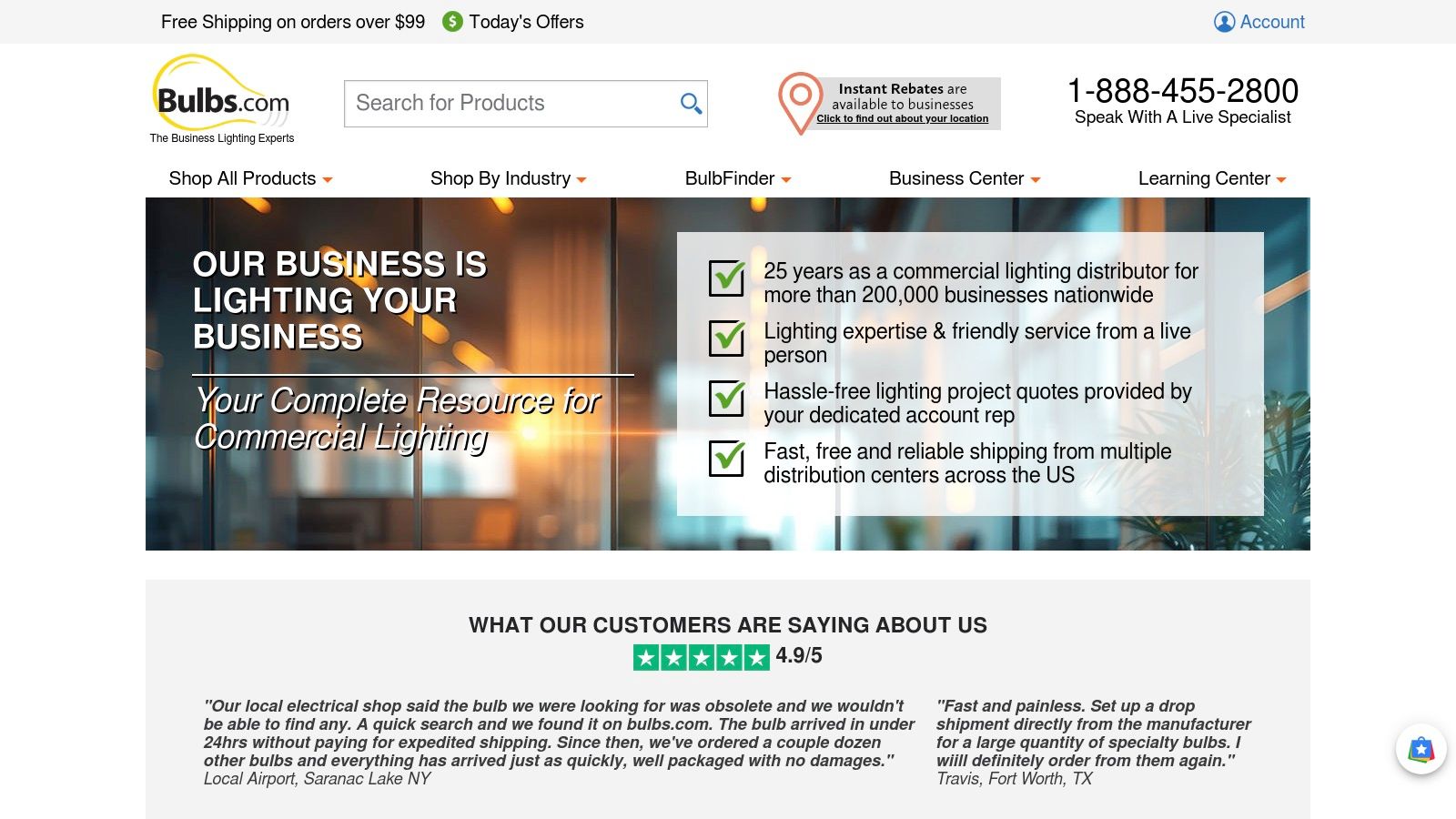
Bulbs.com is a specialized online retailer providing a vast inventory of lighting products for residential and commercial needs. As a dedicated supplier, it offers a focused experience for finding specific types of the best energy efficient light bulbs.
User Experience and Selection
The website is designed for users who know what they are looking for, with detailed product specifications and advanced filters. The platform is particularly strong for bulk purchases, making it a go-to for contractors or homeowners undertaking large projects. Their dedicated customer support adds significant value.
Pro Tip: Use their "Business Account" option if you are a trade professional or managing a large property. It often provides access to better pricing and dedicated account management.
Practical Considerations
- Pricing & Shipping: Pricing is competitive, especially on bulk orders. Be mindful of shipping costs, as free shipping thresholds may be higher than on general e-commerce sites.
- Pros: The deep specialization and expert advice make it a trusted source for almost any lighting need.
- Cons: The platform can feel less intuitive for casual shoppers, and you cannot see products before buying.
Visit Bulbs.com
10. 1000Bulbs.com
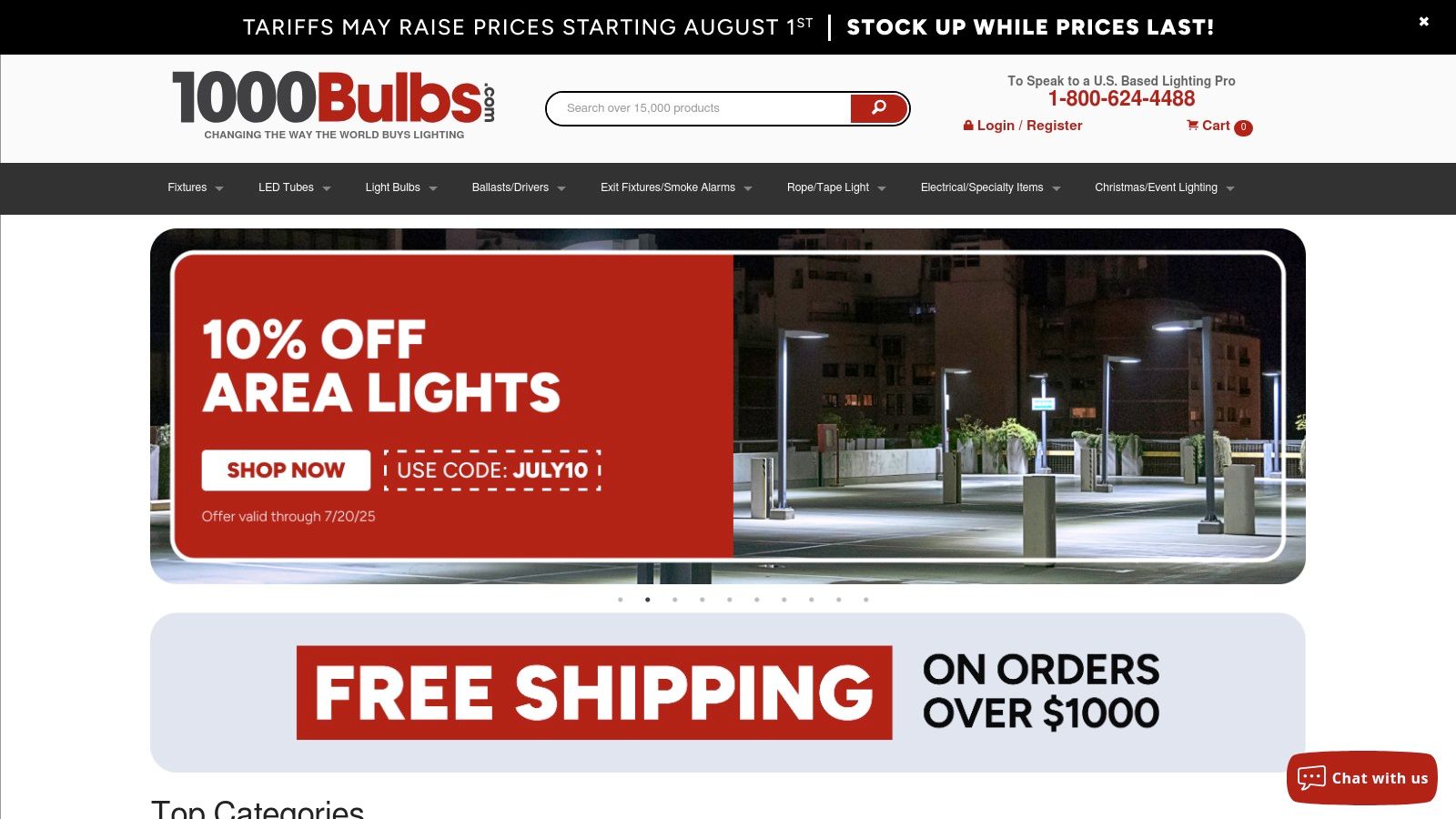
For shoppers seeking more than standard bulbs, 1000Bulbs.com is a specialist online retailer that excels in variety and technical specificity. It’s an ideal destination for finding the best energy efficient light bulbs for niche applications, from landscape lighting to unique decorative fixtures.
User Experience and Selection
The website is engineered for knowledgeable users, offering powerful filters for specs like beam angle, CRI, and specific base types. Its layout is more akin to an industrial supply catalog than a general consumer site. The platform also provides useful tools like lighting calculators and detailed product spec sheets.
Pro Tip: Use their "Case Pricing" option if you're outfitting an entire home. The bulk discounts can lead to significant savings that aren't available on general retail sites.
Practical Considerations
- Pricing & Shipping: Prices are highly competitive, especially for bulk orders. However, be mindful of shipping costs as free shipping thresholds can be higher.
- Pros: The immense, specialized inventory is unmatched for hard-to-find bulbs. Expert customer service and detailed product data support informed purchasing.
- Cons: The sheer volume of technical options can be overwhelming for casual shoppers. The interface is less guided than consumer-focused platforms.
11. Ace Hardware
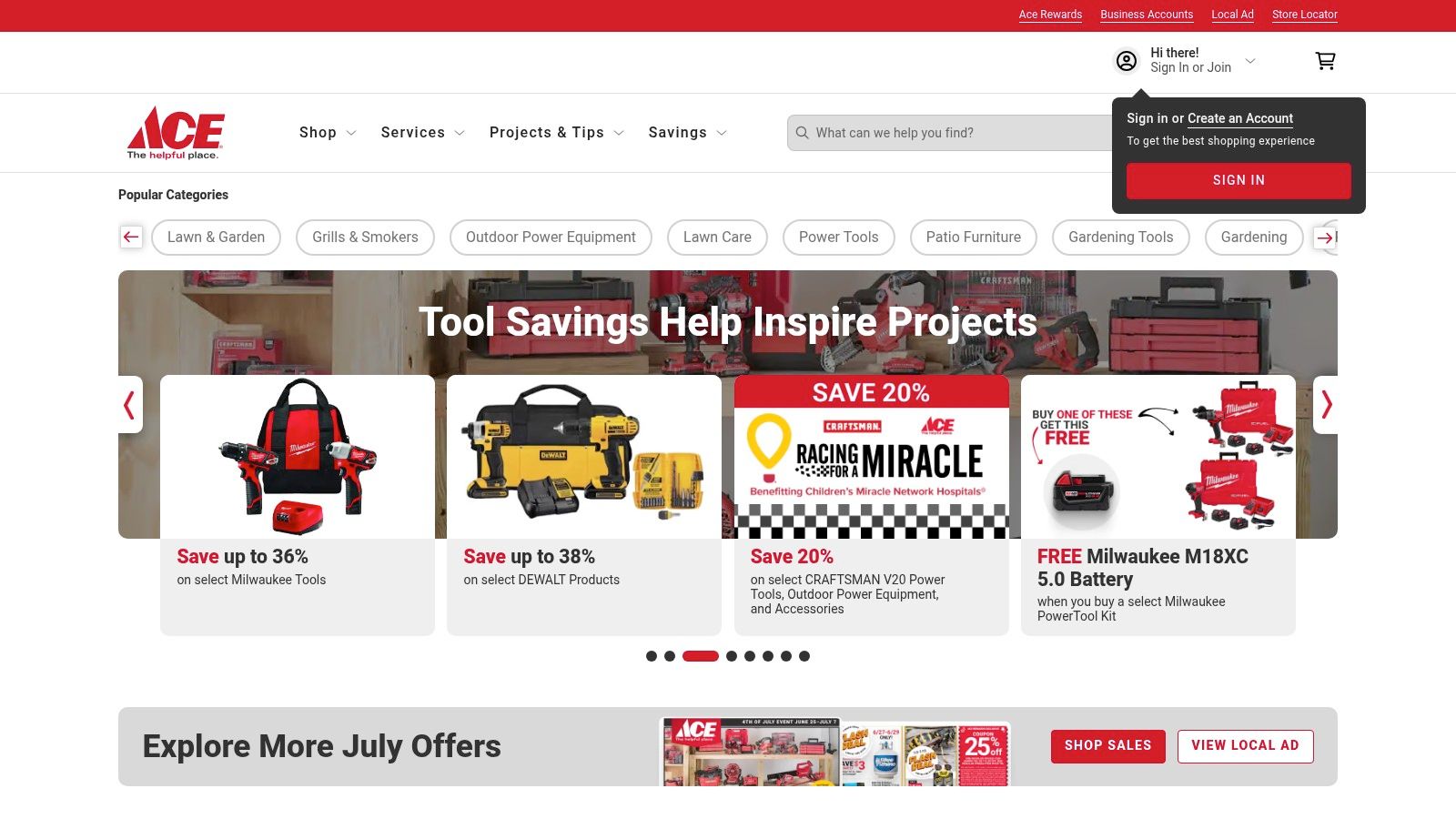
Ace Hardware bridges the gap between online convenience and traditional, in-person customer service. For homeowners and DIY renovators, it offers a reliable place to find the best energy efficient light bulbs without the overwhelming scale of a big-box store.
User Experience and Selection
The website is straightforward, allowing users to shop online and arrange for in-store or curbside pickup. In-store, the knowledgeable staff can provide hands-on advice, helping you get the right fit for your fixture.
Pro Tip: Use the Ace Hardware app to check local inventory before you visit. This saves a trip and ensures the specific bulb you need is in stock.
Practical Considerations
- Pricing & Shipping: Prices can be slightly higher than at larger online retailers, but the Ace Rewards program offers coupons and points. Free in-store pickup eliminates shipping costs.
- Pros: The combination of local availability and knowledgeable staff is invaluable for quick projects or when you need immediate advice.
- Cons: The selection of specialty or smart bulbs is more limited compared to dedicated electronics or massive online stores.
12. LightBulbs.com
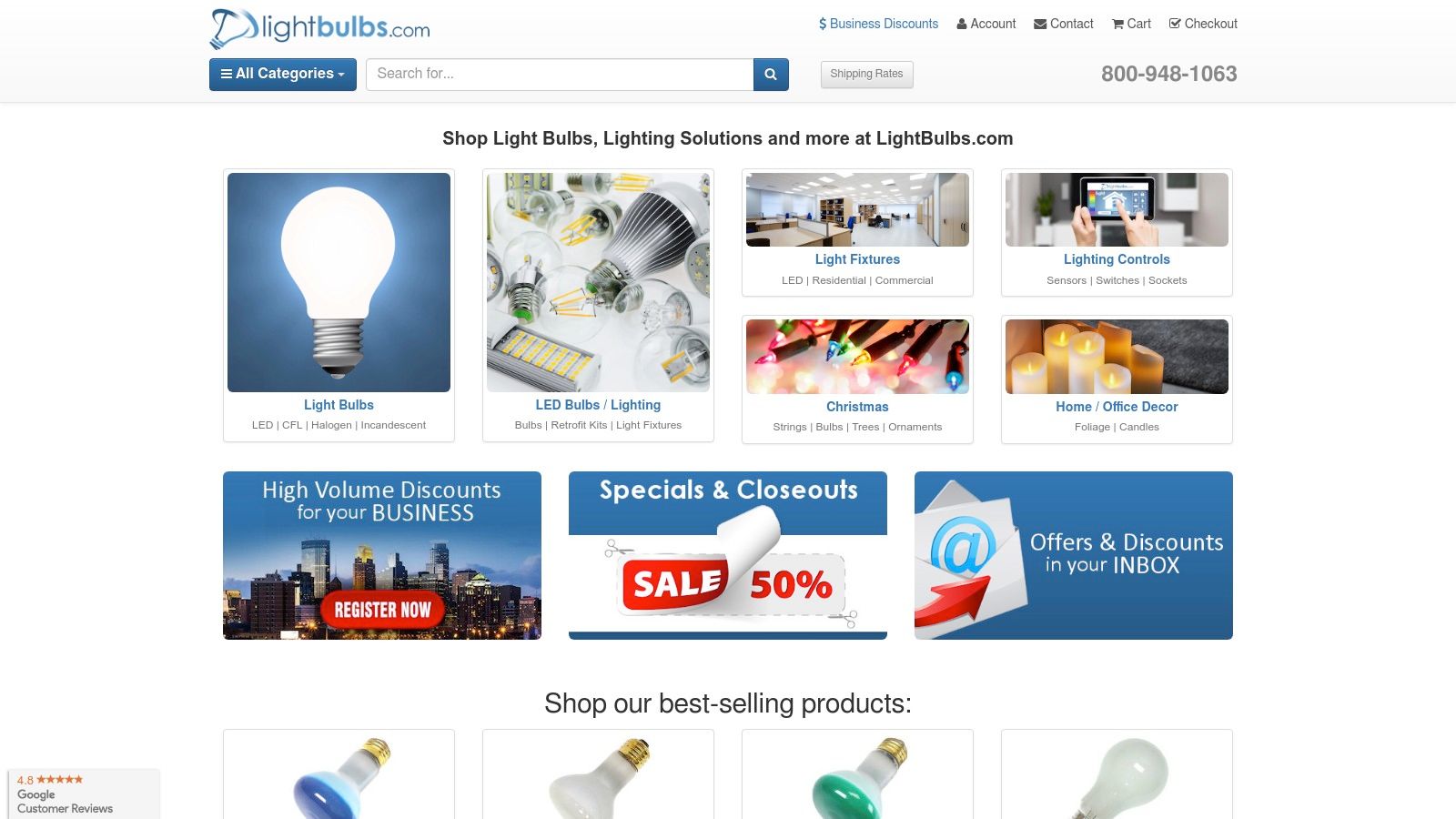
LightBulbs.com stands out as a dedicated destination for finding the best energy efficient light bulbs. Unlike general marketplaces, this platform is built entirely around lighting, offering a deep and focused inventory for both common and highly specific requirements.
User Experience and Selection
The website’s interface is designed for users who know what they need, with powerful filters for base type, voltage, and beam angle. Detailed product pages provide comprehensive specs, making it a reliable resource for contractors, designers, and knowledgeable homeowners.
Pro Tip: Use the "Business Services" section for bulk orders. This is ideal for large-scale renovations, often unlocking better per-unit pricing and dedicated support.
Practical Considerations
- Pricing & Shipping: Prices are competitive, particularly for bulk purchases. Be mindful of shipping costs, as free shipping thresholds may not always apply.
- Pros: Its specialization means you can find niche and hard-to-find bulbs. Expert support and detailed specs are invaluable for technical accuracy.
- Cons: The platform can feel less intuitive for casual shoppers, and its limited physical presence means no in-person browsing.
For projects involving unique fixtures, ensuring you have the right bulb is critical. You can learn how to match bulbs with specialty designs when you learn more about selecting bulbs for custom lighting fixtures to ensure a perfect fit.
Visit LightBulbs.com
Local Insight: What Works Best on the Central Coast
Homes in the Monterey Peninsula region, from Salinas to Santa Cruz, often feature architectural styles that blend with our stunning natural environment. From historic adobes to modern coastal retreats, lighting choices should enhance these unique characteristics.
For homes that experience the classic Central Coast fog, a warmer color temperature (2700K–3000K) can create a cozy, inviting interior that counteracts the cool, gray light outside. Dimmable LEDs are also essential. They allow you to adjust the brightness from a soft glow on a misty morning to full illumination on a bright, sunny afternoon.
How The Home Lighter Can Help
Navigating the landscape of modern lighting can feel overwhelming. The journey to find the best energy efficient light bulbs takes you through a wide array of retailers, from the vast aisles of Amazon to the convenient shelves of The Home Depot. Each resource offers unique advantages, but a successful lighting plan is more than just buying a bulb.
A truly effective lighting design requires a cohesive strategy that balances technology, aesthetics, and application. A high-CRI bulb that makes your kitchen vibrant might be different from the warm, dimmable smart bulb that creates a relaxing atmosphere in your living room. This is where professional guidance makes all the difference.
From Product to Plan: Making Smart Choices
To successfully implement these tools, move beyond the product and think about the overall lighting plan. Consider these crucial factors:
- Define the Mood: Start with the feeling you want to create. A productive home office needs bright, cool light (4000K-5000K), while a serene bedroom benefits from a warm, amber glow (2700K).
- Verify Compatibility: Before purchasing, double-check that new bulbs are compatible with your existing fixtures and dimmer switches. Not all LEDs dim smoothly with older hardware, which can cause flickering.
- Think in Layers: Great lighting design incorporates multiple layers: ambient (overall), task (focused), and accent (highlighting). Choose different bulbs to serve each function effectively.
The Bigger Picture: Efficiency and Environmental Impact
Adopting energy-efficient lighting is a powerful step toward a more sustainable home. Replacing outdated incandescent bulbs significantly reduces energy consumption and lowers utility bills. According to the U.S. Department of Energy, widespread use of LEDs could save the country the annual electrical output of more than 44 large power plants by 2027.
Choosing energy-efficient bulbs also contributes to a healthier planet by reducing carbon emissions. For a deeper dive, you can use a carbon footprint calculator to reduce your impact. This simple action is a meaningful part of eco-conscious living, which is especially important for preserving the natural beauty of our Central Coast communities.
Frequently Asked Questions (FAQs)
What are the most energy-efficient light bulbs available?
LED (Light Emitting Diode) bulbs are the most energy-efficient lighting option on the market today. They use at least 75% less energy and last 25 times longer than traditional incandescent lighting, according to the U.S. Department of Energy.
What's the difference between lumens and watts?
Lumens measure a bulb's brightness, while watts measure the energy it consumes. When shopping for the best energy efficient light bulbs, you should focus on lumens to determine how bright the light will be and watts to see how much energy it uses.
Does the shape of a light bulb matter?
Yes, the shape matters for both function and aesthetics. An A-series bulb (like the standard A19) is omnidirectional and good for general lighting, while a reflector bulb (like a BR30) directs light downward, making it ideal for recessed cans and track lighting.
What color temperature should I choose for my home?
Color temperature, measured in Kelvin (K), determines the color of the light. For a warm, cozy feel in bedrooms and living rooms, choose 2700K-3000K. For bright, neutral light in kitchens, bathrooms, and workspaces, 3500K-5000K is a better choice.
Are smart light bulbs worth the investment?
Smart bulbs offer significant benefits in convenience, customization, and further energy savings. The ability to control them remotely, schedule on/off times, and dim them precisely can reduce energy waste and enhance your home's functionality, making them a worthwhile investment for many homeowners.
Ready to transform your home with lighting that is both beautiful and intelligent? For homeowners, designers, and builders on the Monterey Peninsula, The Home Lighter, Inc. offers expert guidance and a curated selection of fixtures and bulbs to bring your vision to life. Let us help you navigate the complexities of lighting design and create a space that perfectly balances style, function, and efficiency.