
Are high energy bills a problem in your home? You are not alone. Many homeowners, from the coast of the Monterey Peninsula to homes in Salinas, feel the pinch of high utility costs. The good news is that you can lower those bills. The power to save money is often hidden right inside your walls.
A home energy audit is the first step to find where your money is leaking out. Think of it as a treasure map. It guides you to big savings and a more comfortable home.
This guide will give you a step-by-step way to make your home smarter and more efficient. Our home energy audit checklist breaks down the process into seven easy areas. We will walk you through checking everything from your heating system to your lights. By following this list, you can find problems and make changes that work.
1. Heating, Ventilation, and Air Conditioning (HVAC) System Inspection
Your HVAC system uses more energy than almost anything else in your house. It is a big part of your utility bills. This makes it the best place to start your home energy audit checklist. A good check can find issues, show what needs fixing, and help you see where upgrades can cut costs.
Checking Your HVAC System's Health
A full HVAC check is more than just looking at it. It means looking at the furnace, air conditioner, and all the ducts. Leaky ducts are a very common problem. The Department of Energy says that most homes lose 20% to 30% of their air through leaky ducts.
Sealing and insulating your ducts is one of the best ways to save energy. For a normal-sized home, this fix can save you $200 to $400 a year. Another key part is the filter. A dirty filter blocks airflow and makes the system work harder, which uses more energy.
This infographic shows why a good HVAC audit is so important.
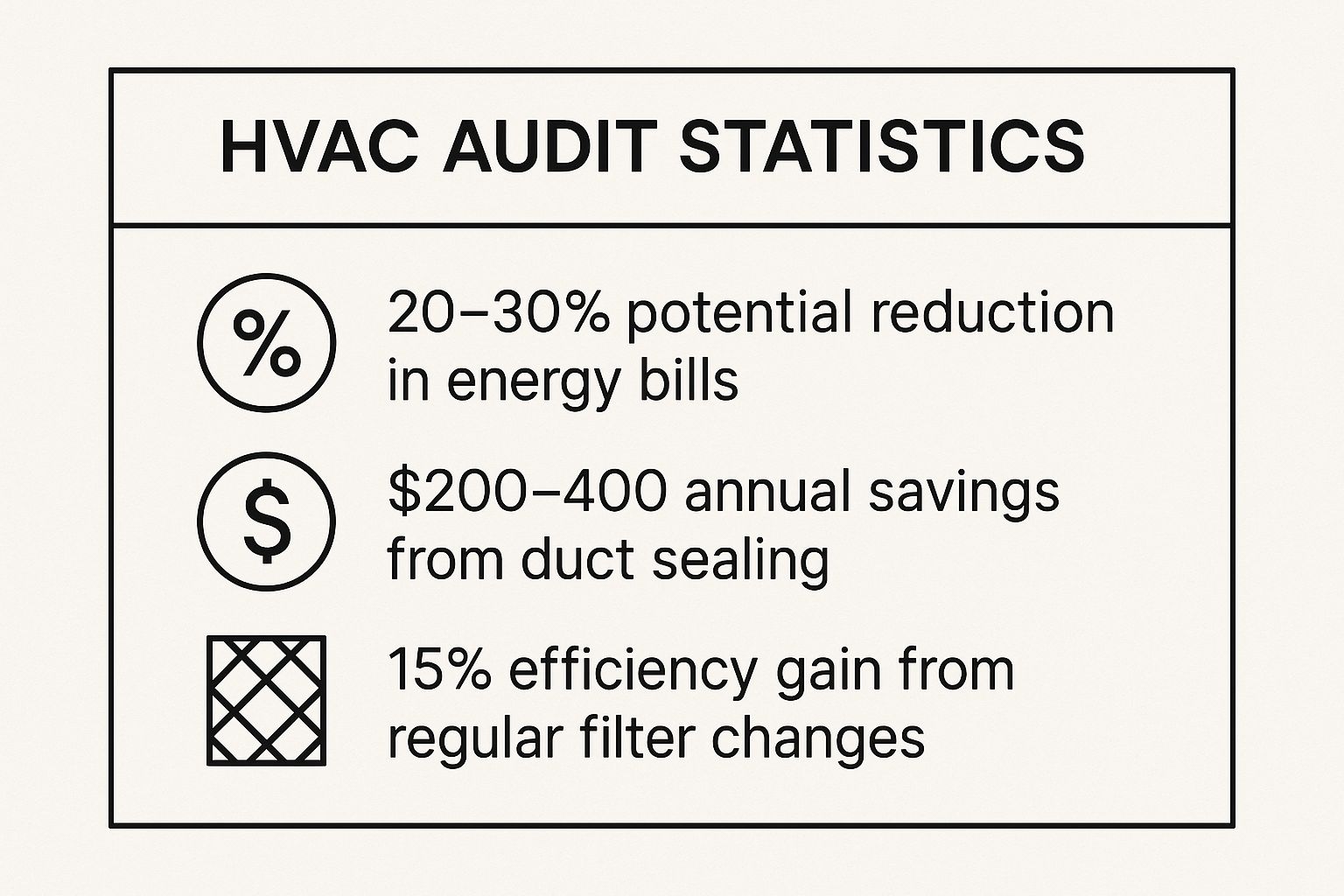
As you can see, you can save a lot of money. Simple tasks like changing a filter can make your system up to 15% more efficient.
Steps for HVAC Efficiency
Here are some easy steps you can take to check and improve your system:
- Check Your Filter: Look at your HVAC filter every month. Change it every 1-3 months. You may need to change it more often if you have pets.
- Find Duct Leaks: Use a smoke pencil or incense stick near duct joints. If the smoke moves, you have a leak. Seal it with mastic sealant or special metal tape.
- Get a Professional Tune-Up: Schedule a tune-up once a year. A pro can find and fix problems you might miss. Check out these HVAC maintenance tips for more ideas.
- Upgrade Your Thermostat: A smart thermostat can save you about $180 a year by setting heating and cooling schedules for you.
A ceiling fan can also help move air around your home. This takes pressure off your HVAC system and saves energy. You can discover how a new ceiling fan with a light can complement your home's efficiency.
2. Insulation Assessment and Air Sealing
Think of insulation and air sealing as your home's protective blanket. Your HVAC system makes warm or cool air. This blanket keeps that air inside so you don't waste energy and money. Fixing these issues is often the cheapest way to save energy.
Checking Your Home's Protective Shell
A full check means looking at your attic, walls, floors, and foundation. Good insulation slows down heat moving through your home. This keeps your house warmer in winter and cooler in summer. Air sealing stops drafts that let conditioned air out.
The Environmental Protection Agency (EPA) found that sealing leaks with caulk and weatherstripping can cut energy bills by up to 20%. These two fixes work together. Adding insulation without sealing leaks is like wearing a winter coat with the zipper open.
The image below shows how a well-insulated and sealed attic keeps energy from escaping. This is a key part of making your home efficient.
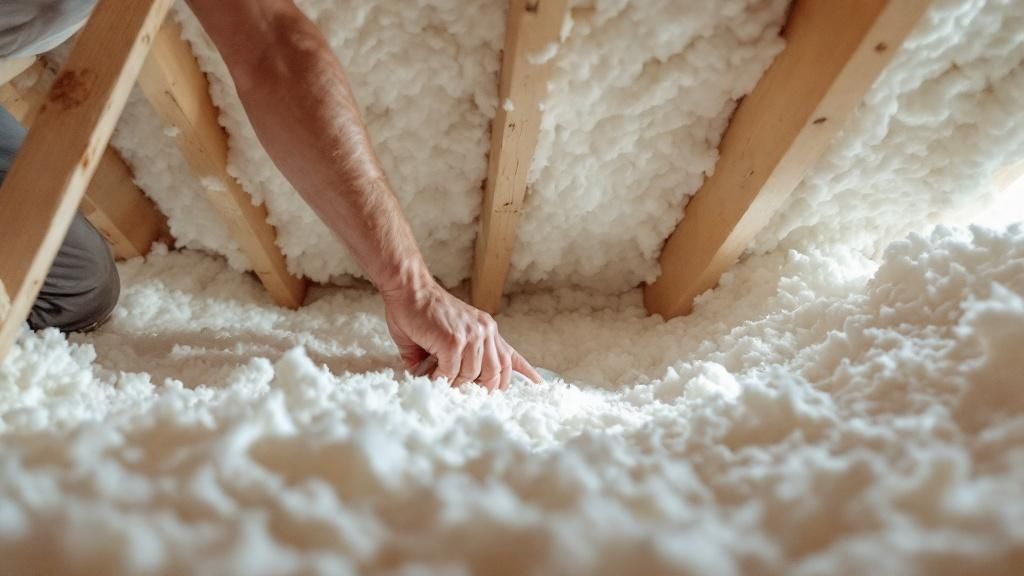
A good attic helps keep your home's temperature steady. This means your HVAC system doesn't have to work as hard.
Steps for a Tighter Home
Here are some easy steps you can take to improve your home's insulation and air sealing:
- Measure Attic Insulation: Use a ruler to check how deep your attic insulation is. You should have 10 to 14 inches of insulation in most climates.
- Do a Draft Test: On a windy day, hold a lit incense stick near windows and doors. If the smoke moves, you have an air leak that needs to be sealed.
- Seal First: Before you add more insulation, seal the big air leaks. Use caulk for small gaps and expanding foam for bigger ones. Add weatherstripping to doors and windows.
- Check the Foundation: Look at the rim joists in your basement or crawlspace. These are common spots for big air leaks. They should be sealed and insulated.
3. Window and Door Energy Performance Evaluation
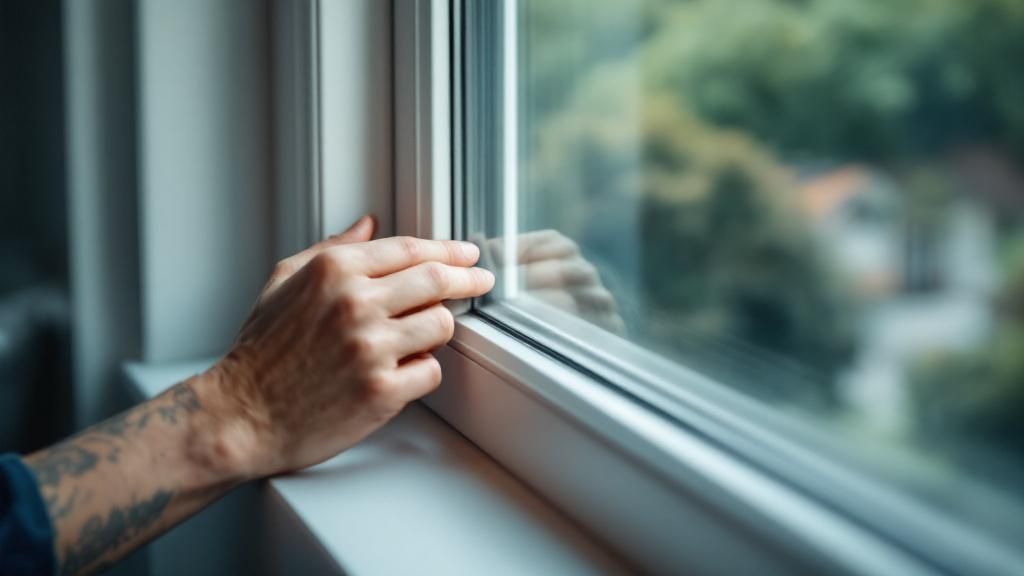
Your windows and doors let a lot of energy escape your home. They can cause 25% to 30% of your heating and cooling costs. This makes them a key part of any home energy audit checklist. Checking them means looking for leaks and seeing if they need upgrades.
Checking Your Windows and Doors
A good check means looking at the frames, glass, and weatherstripping. Old, single-pane windows waste a lot of energy. Replacing them with ENERGY STAR models can save homeowners in cold areas over $300 a year.
Cheaper fixes also help a lot. Adding storm windows can save you between 12% and 33% on energy. Replacing old weatherstripping around doors for about $50 can save you up to $150 a year by stopping drafts. These fixes keep the air you paid to heat or cool inside your home.
Steps for Window and Door Efficiency
Here are some easy steps to check and improve your windows and doors:
- Seal Air Leaks: Use a lit incense stick near the edges of your windows and doors. If the smoke wavers, you have a leak. Seal these gaps with caulk or weatherstripping.
- Check for Broken Seals: Look for fog between the panes of your windows. This means the seal is broken. The window is no longer insulating well and should be replaced.
- Try Low-Cost Upgrades: Before you buy new windows, try cheaper options. Installing storm windows or adding insulating window film can help a lot.
- Choose ENERGY STAR Replacements: When you do upgrade, look for the ENERGY STAR label. These products meet strict energy-saving rules set by the government.
Good windows and doors also make your home quieter and more comfortable. They can even make your home look better. You can discover how outdoor landscape lighting can elevate your home's exterior.
4. Water Heating System Analysis
Your water heater is a quiet workhorse. It is also one of the biggest energy users in your home. It can make up 18% to 25% of your total energy use. This makes it a very important part of your home energy audit checklist. Checking your water heater can help you find ways to save a lot of money.
Checking Your Water Heater's Performance
Checking your water heater is more than just looking at its age. You should also check the pipes and how your family uses hot water. Old or poorly cared-for water heaters use much more energy. Pipes without insulation let heat escape before it gets to your faucet.
For example, switching an old electric water heater to a new heat pump model can save a family about $350 a year. Small changes also help. Turning your water heater's temperature down from 140°F to 120°F can cut your water heating costs by 8% or more.
Steps for Water Heater Efficiency
Here are some easy steps to check and improve your system:
- Check the Temperature: Look at your water heater’s thermostat. A setting of 120°F (49°C) is hot enough for most families. It is also safer and saves more energy.
- Insulate Your Pipes: Wrap the first six feet of hot and cold water pipes near your water heater with insulation. This simple fix can make your water hotter, so you can turn the thermostat down.
- Drain the Tank: Once a year, drain about a quart of water from the tank to get rid of sediment. This buildup makes the heater work harder and use more energy.
- Think About an Upgrade: If your water heater is over 10 years old, it might be time for a new one. You can also look into things like solar hot tub heaters to save even more energy.
5. Lighting and Electrical System Review
Your lights and electrical system offer some of the easiest ways to save energy. They use about 5% to 10% of your home's total energy. Quick upgrades can lower your utility bills without a big project. A review as part of your home energy audit checklist helps you find old bulbs and wasteful habits.
Checking Your Lighting and Electrical Health
A good lighting check means looking at the type, age, and use of every light. Old light bulbs are the biggest energy wasters. Old incandescent bulbs turn only 10% of their energy into light. The other 90% is wasted as heat. This makes your AC work harder in the summer.
Switching to modern, energy-saving options is key. The Department of Energy says that using LED lighting has the biggest potential for energy savings in the U.S. By replacing just 20 of your most-used old bulbs with ENERGY STAR LEDs, you can save $75 to $100 a year. Smart plugs and sensors can also turn off lights and electronics when you are not using them.
Steps for Lighting and Electrical Efficiency
Here are some easy steps you can take to make your home more efficient:
- Focus on High-Use Areas: Start by changing bulbs in the rooms you use most, like the kitchen and living room. This will give you the biggest savings first.
- Upgrade to ENERGY STAR LEDs: When you buy new bulbs, choose LEDs with the ENERGY STAR label. This means they meet strict rules for quality and efficiency.
- Install Smart Controls: Use smart plugs, timers, and sensors to automate your lights. Timers can turn off outdoor lights during the day. Sensors in closets and bathrooms can cut lighting energy use by up to 30%.
- Use Task Lighting: Use a small lamp for reading or under-cabinet lights for cooking. This is better than lighting up a whole room when you only need light in one spot.
You can save a lot of energy with just a little effort. To see more modern, high-efficiency options, you can find more information about energy-efficient lighting solutions on homelighterinc.com.
6. Appliance Energy Efficiency Assessment
Your home appliances are quiet but powerful energy users. Your fridge, washer, and dryer can make up nearly 20% of your total energy bill. An appliance check is a key part of your home energy audit checklist. It helps you see which devices cost you the most and how to save money.
Checking Your Appliances' Energy Use
A good appliance check is about understanding how much energy they use. Older appliances can be major energy hogs. A 15-year-old fridge can use much more electricity than a new ENERGY STAR model. Upgrading can save you over $100 a year.
"Phantom load" is another common problem. Many electronics use power even when they are turned off. This "vampire" energy can cost the average family $50 to $150 a year. Finding and managing these devices is an easy way to cut waste.
Steps for Appliance Efficiency
Here are some easy steps to cut your appliance energy costs:
- Check Your Usage: Use a plug-in energy monitor to see how much electricity each appliance uses. This helps you know which ones to upgrade first.
- Do Simple Maintenance: Clean your fridge's condenser coils once a year so it runs better. Also, clean the lint filter in your dryer after every load to save energy.
- Change Your Habits: Only run your dishwasher and washing machine with full loads. Use cold water when you wash clothes to cut energy use by up to 90%.
- Stop Phantom Loads: Unplug chargers and TVs when you are not using them. Smart power strips can also cut power to devices when they are off. This works well with a smart home setup. To see how this fits in, you can explore the best smart home lighting systems.
7. Home Envelope Blower Door Testing
Looking for drafts is a good start. But a blower door test gives you an exact measurement of your home's airtightness. This professional tool is a key part of a full home energy audit checklist. It lowers the air pressure in your home to show exactly how much air is leaking in and out. This helps you find the biggest sources of energy loss.
Checking Your Home's Airtightness
A blower door test uses a powerful fan mounted in an outside door frame. The fan pulls air out of the house. This makes outside air get pulled in through any cracks or holes. Experts can then measure the airflow to see how leaky your home is.
This exact measurement helps you focus your efforts where they will do the most good. Homes with a lot of leaks can see energy savings of 20% to 30% after sealing them. Programs like ENERGY STAR use this test to make sure new homes are built to be efficient.
Steps for Blower Door Testing
This test is best done by a certified professional. Here are the steps involved:
- Get Your Home Ready: Before the test, close all outside windows and doors. Open all inside doors.
- Stay Safe: Turn off appliances like furnaces and water heaters. This prevents harmful gases from being pulled into the house.
- Use Thermal Imaging: A blower door test works best with an infrared camera. As cold air comes in, the camera can show you the exact spots where leaks are.
- Understand the Results: Ask the expert to explain the final numbers. They should give you a report that shows which air sealing fixes will save you the most money.
Your Path to a Smarter Home Starts Here
You have now gone through a full home energy audit checklist. This is a powerful tool to help you understand how your home uses energy. It is not just about finding problems. It is about finding ways to improve your comfort, save money, and be more sustainable.
From your HVAC system to small air leaks around windows, every item on this list is a piece of your home's energy puzzle. Finishing this audit helps you choose the fixes that give you the best results. You now have a clear plan instead of just guessing.
What to Do with Your Action Plan
The road to an energy-efficient home starts with small, smart actions. Here is a summary of the most important things you learned:
- The Building Envelope Is Key: Your home's "envelope" includes its insulation, windows, doors, and air sealing. It is your first defense against energy loss. Before you upgrade your furnace, make sure warm air is not escaping through a leaky attic.
- HVAC and Water Heating Use the Most Energy: These two systems use the biggest share of your energy bill. Simple maintenance like changing filters and insulating pipes can help right away.
- Lighting Is an Easy Win: Switching to LED lighting is one of the easiest and cheapest changes you can make. This includes using dimmers and smart controls to save even more.
- Appliances Add Up: Old appliances can use a lot of energy. Your audit helps you find these "energy vampires." You can then decide when to upgrade to ENERGY STAR models.
Your Next Steps
With your finished home energy audit checklist, it is time to get started. Do not feel like you have to do everything at once. Make a plan that fits your budget and goals.
- Quick Wins: Start with easy, low-cost fixes. Add weatherstripping to doors, caulk around windows, and wrap your water heater tank with an insulation blanket.
- Bigger Projects: Plan for projects like adding insulation to your attic. These tasks may take a weekend or need a contractor, but they save you a lot of money.
- Long-Term Goals: Use your audit to plan for major upgrades. This could be a new HVAC system or new windows. A long-term plan helps you budget for these big changes.
This smart approach makes your home a high-performance system. You will not just get a lower utility bill. You will also have a healthier, more comfortable place to live for you and your family.
Ready for the next step? While you can do many of these audit items yourself, a great lighting plan needs an expert. The team at The Home Lighter Inc. can help you replace old fixtures with beautiful, high-efficiency LED solutions that fit your home's style. Visit our Pacific Grove showroom or The Home Lighter Inc. to see your options. Smart lighting can complete your home’s energy makeover.
Frequently Asked Questions (FAQs)
1. What is a home energy audit?
A home energy audit is a check-up for your house to see how it uses energy. It helps you find where you are wasting energy and how to fix it. This checklist is a guide to help you do a basic audit yourself.
2. How much can I really save with a home energy audit?
You can save a lot. Depending on your home, you could lower your energy bills by 5% to 30%. Sealing air leaks and adding insulation often give the biggest savings.
3. What is the easiest way to save energy on lighting?
The easiest way is to switch your old light bulbs to ENERGY STAR certified LEDs. They use up to 90% less energy and last much longer. We have many options at The Home Lighter showroom that are perfect for homes on the Central Coast.
4. How often should I check my HVAC filter?
You should check it every month. A good rule is to replace it every 1-3 months. A clean filter helps your HVAC system run better and use less energy.
5. Do I need a professional for a home energy audit?
You can do many parts of an energy audit yourself using this checklist. For some things, like a blower door test, you will need a professional. A professional can also give you a more detailed report.