
So, what is accent lighting? Think of it as the spotlight in your home’s design story.
While other types of lighting fill a room with general light, accent lighting points directly to the stars of the show. It highlights your favorite piece of art, a beautiful stone fireplace, or unique architectural details. It’s the specific layer of light that creates drama, visual interest, and personality.
Understanding Accent Lighting in Your Home
Every well-designed room uses three layers of light that work together seamlessly. You have your ambient lighting for general illumination, task lighting for specific activities, and finally, accent lighting that tells your eyes exactly where to look.
Its primary job isn't to light up the whole room, but to create focal points. Without it, a space can feel flat and one-dimensional. Accent lighting is what introduces the contrast and depth that draw the eye to the features you want to showcase.
To really get it, you have to see how it fits into a complete lighting plan. The diagram below shows how each layer builds on the others to create an inviting space.
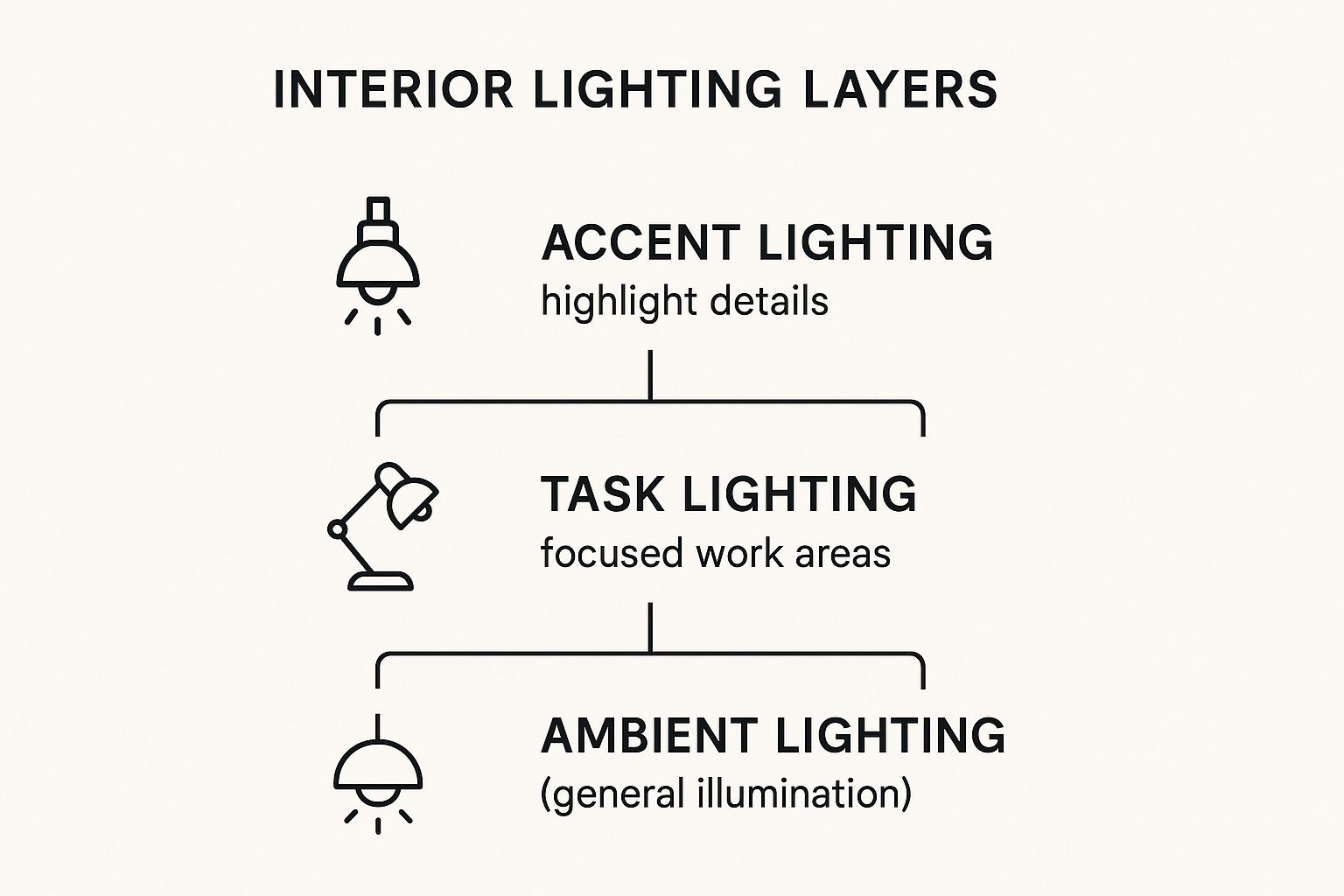
As you can see, ambient light is the foundation. But accent lighting is the artistic touch that brings the whole vision to life.
The Three Layers of Interior Lighting
It helps to think of your room as a theater stage. Each lighting layer has a distinct job to do, and when they work in harmony, the result is magical.
| Lighting Layer | Primary Role | Common Fixtures |
|---|---|---|
| Ambient | Provides overall, general illumination. The base layer of light. | Chandeliers, Ceiling-Mounted Fixtures, Recessed Cans |
| Task | Illuminates a specific area for a particular activity. | Desk Lamps, Under-Cabinet Lights, Vanity Lights |
| Accent | Creates a focal point by highlighting specific objects or features. | Track Lights, Wall Sconces, Picture Lights |
Ambient lighting acts as the general house lights. Task lighting is like the focused spotlight on a musician's sheet music, enabling a specific activity.
Accent lighting, however, is that single, dramatic beam that shines on the lead performer. It tells the audience, "Look here. This is important." It’s used with intention to create a powerful visual and emotional impact.
Why Accent Lighting Is Your Secret Design Weapon
Ever walk into a perfectly designed home and wonder what gives it that extra something? More often than not, the secret lies in a clever layer of accent lighting.
It’s about so much more than just making a room brighter. It’s a design tool that adds depth, draws attention, and injects emotion into a space, taking it from nice to truly memorable.
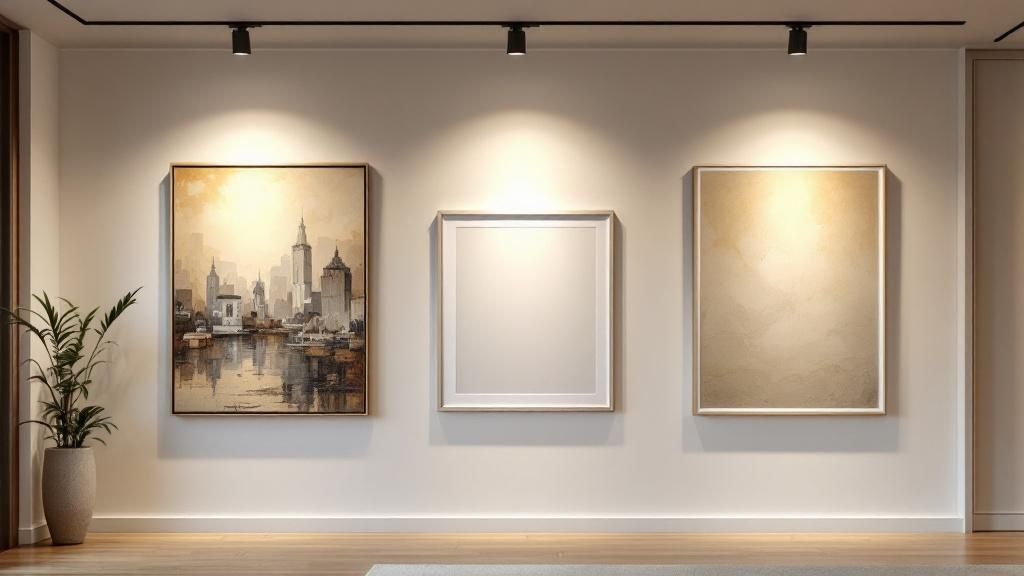
Without it, even a beautifully furnished room can feel a bit flat. Relying on a single overhead light tends to wash everything out in a uniform, sterile glow. By creating deliberate pools of light and shadow, accent lighting masterfully guides your eye and builds a dynamic, layered atmosphere.
Creating Texture and Depth
One of the coolest things accent lighting can do is change how you perceive a surface. By aiming a focused beam down a stone fireplace—a technique pros call "wall grazing"—you can make its rustic texture leap out with dramatic shadows.
On the flip side, washing a smooth, plain wall with a soft, even light can make it feel more serene and expansive. It’s this power to sculpt a room’s character that makes accent lighting so essential.
Setting the Emotional Tone
The emotional impact of accent lighting is huge. The way you place your lights can fundamentally alter the mood of a room.
A warm, focused light aimed at a cozy armchair instantly carves out an intimate reading nook. Spotlighting a bold piece of art adds a touch of drama and sophistication.
Accent lighting truly turns a house into a home because it’s a direct reflection of your personality. It gives you the power to write the story of your space, deciding if a room should feel calm and intimate or energetic and stylish.
This is also a fantastic way to create visual interest with different fixture styles. For example, exploring various pendant lighting ideas for your living room shows how a beautiful light can pull double duty as both an accent and a stunning focal point.
Choosing the Right Accent Lighting Fixtures
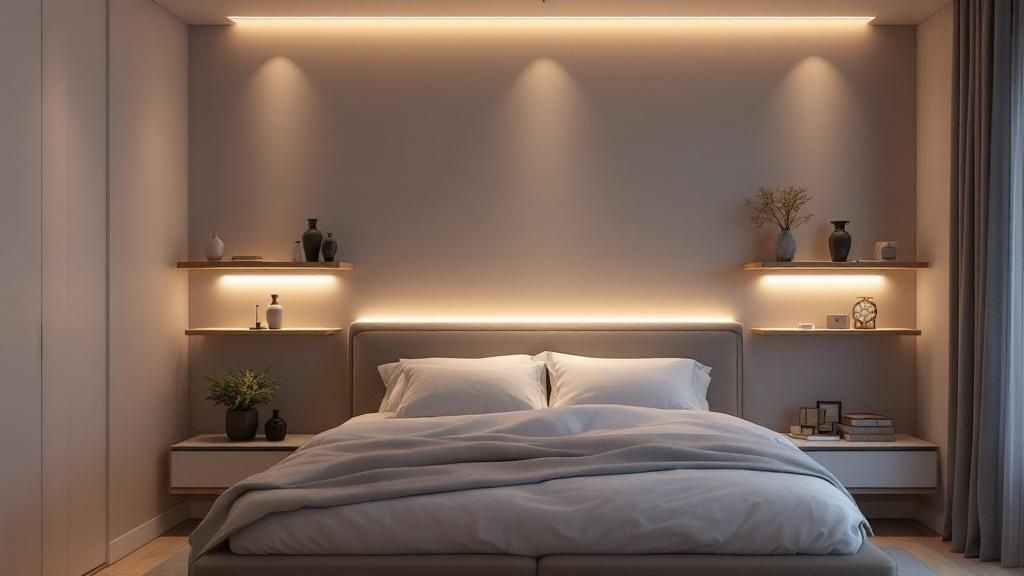
Getting that perfect accent effect starts with choosing the right tools. Think of a painter who needs different brushes for broad strokes and fine details. A good lighting plan uses a variety of fixtures to bring a room to life.
The right fixture directs light exactly where you want it, transforming an ordinary object into a stunning focal point. Let's demystify some of the most effective options we have in our Pacific Grove showroom.
Common Fixtures For Highlighting Your Home
Each type of accent light has a specific job. The real magic happens when you mix and match them to create a rich, layered design.
-
Track Lights: These are the chameleons of the lighting world. Individual heads on a track can be aimed to highlight a gallery wall, a bookshelf, or an architectural feature. Their flexibility makes them perfect for spaces where you might change the decor.
-
Recessed Spotlights: For a clean, minimalist look, nothing beats a recessed "can" or "eyeball" light. Tucked into the ceiling, they cast a focused pool of light downwards, which is ideal for making art or a sculpture pop without the fixture grabbing attention.
-
Wall Sconces: While often used for ambient light, sconces with a distinct up or down beam can create beautiful accent effects. They're perfect for framing a doorway, a fireplace, or adding vertical interest to a long hallway.
Your choice of fixture directly impacts the final look. A discreet recessed light creates quiet drama, while a decorative track light can become part of the design itself. The goal is to match the tool to the artistic intention.
- Landscape Lights: Don't forget that accent lighting isn’t just for indoors! Low-voltage spotlights can transform a garden after sunset, highlighting a beautiful tree or stone path. This is a fantastic way to extend your living space and enjoy the Monterey Peninsula’s mild evenings.
While these fixtures excel at highlighting features, a related category often comes up. For focused lighting over a workspace, our guide on the best lighting for a kitchen island provides specific insights.
Mastering Core Accent Lighting Techniques
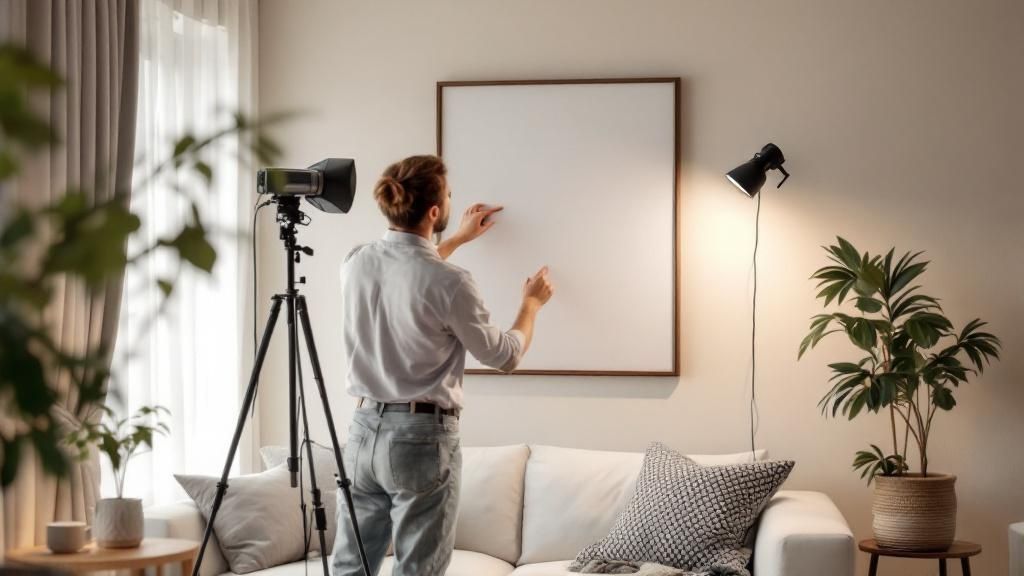
Having the right fixtures is one thing, but knowing how to use them like a professional is another. Now it's time to dive into the "how" by breaking down the most effective techniques for applying accent lighting.
Here’s a simple rule of thumb: your accent lighting should be at least three times brighter than the general light in the room. This contrast is what truly creates a focal point and tells the eye exactly where to look.
Highlighting A Single Focal Point
This is the most classic accent lighting technique. It’s all about aiming a single, focused beam of light—usually from a recessed fixture or a track head—directly onto an object you want to put in the spotlight.
This technique makes a sculpture, a favorite piece of art, or a beautiful houseplant the undeniable star of the show. It's a simple and highly effective way to create visual interest.
Wall Grazing For Texture
If you have a surface with gorgeous texture, like a stone fireplace or a brick wall, then wall grazing is your secret weapon. This technique involves placing a light fixture very close to the wall and aiming the beam almost parallel to it.
This close-range lighting creates dramatic shadows across every bump and groove, making stone, brick, or even heavily textured wallpaper pop with a rugged, three-dimensional feel. It’s a fantastic way to add a powerful sense of depth and character.
Wall Washing For Space and Serenity
Wall washing does the exact opposite of grazing. By placing fixtures further from the wall and spacing them out, you create a smooth, even wash of light across the entire surface. There are no harsh shadows here—just soft, gentle illumination.
This technique is brilliant for making a room feel larger and more open. A bright, evenly lit wall seems to recede, creating an illusion of more space. It also helps hide minor flaws and creates a calm, serene backdrop perfect for living rooms and bedrooms.
Understanding how to layer these techniques is what brings a design to life. For more inspiration, check out our guide on creating a successful living room lighting layout.
How Smart Tech Is Revolutionizing Accent Lighting
Accent lighting has come a long way from a basic on/off switch. Thanks to incredible leaps in technology, creating beautiful, dynamic lighting designs is more accessible and interactive than ever.
This shift is driven by the powerful combination of LED technology and smart home controls. LEDs are a perfect match for accent lighting due to their energy efficiency, long lifespan, and precise control over color and brightness.
Taking Control with Smart Systems
The true game-changer is pairing these sophisticated LEDs with smart home systems. This is what puts you in the director's chair, turning you into your home’s personal lighting designer.
With just a tap on your phone or a simple voice command, you can completely change the feel of a room. This is where accent lighting stops being static and becomes a personal, responsive part of your daily life.
Think about creating custom lighting "scenes" for any moment:
- Movie Night: Dim the recessed lights over the couch while casting a soft, warm glow on the wall behind your TV.
- Dinner Party: Set your track lights to perfectly highlight art in the dining room, creating an elegant, gallery-like feel.
- Quiet Evening: Program a gentle, warm light to graze your stone fireplace, instantly making the space feel cozier.
When you connect fixtures to a central system, you unlock a new level of convenience. A professional smart home lighting installation can pull these technologies together seamlessly.
How The Home Lighter Can Help
Your home's lighting should feel like it belongs. Here on the Central Coast, from Monterey down to Santa Cruz, our unique architecture and lifestyle offer the perfect canvas for thoughtful lighting design.
Take the many beautiful Spanish-style homes you see in places like Carmel. For these, accent lighting is a must. Imagine using discreet uplights to graze stucco arches, creating dramatic shadows that emphasize their classic form and rich texture.
Matching Light to Local Styles
Over in Santa Cruz, where Craftsman homes with rich woodwork are common, accent lighting is just as powerful. Well-placed wall sconces can cast a warm, welcoming glow, highlighting the natural grain of wooden beams and door frames.
The goal is to use light to tell your home's story. Whether it’s highlighting the rustic charm of a Carmel mission-style build or the handcrafted detail of a Santa Cruz bungalow, accent lighting makes those signature features shine.
Embracing the Coastal Lifestyle
We all know outdoor living is central to life on the Monterey Peninsula. You can extend your living space with low-voltage landscape lighting, perfect for showcasing drought-tolerant gardens or illuminating pathways with a soft, guiding light.
Inside, warm, dimmable accent lighting offers a cozy retreat from those signature foggy mornings. By focusing a soft pool of light on a favorite reading chair or a treasured piece of art, you can craft a warm, personal haven.
FAQs About Accent Lighting
Ready to get started but have a few lingering questions? We're here to tackle the common concerns we hear from homeowners every day, helping you move from inspiration to confident action.
1. How do I know what to highlight with accent lighting?
Start by walking through the room and letting your eyes land on its best features. Look for interesting architectural details like a classic fireplace, beautiful built-in shelving, or a piece of art you love. Textured surfaces like stone or brick are also fantastic candidates.
2. Can a room have too much accent lighting?
Absolutely. The point of accent lighting is to create drama and contrast. If you try to highlight everything, nothing stands out, and the room can feel chaotic. As a rule of thumb, stick to no more than three or four key focal points in any single room.
3. What is the best color temperature for accent lighting?
This depends on the mood and what you're lighting. Generally, a warm white (around 2700K–3000K) is perfect for creating a cozy, inviting atmosphere in living spaces. For highlighting artwork, a more neutral white (around 3000K–4000K) renders colors more accurately.
4. What's the difference between accent lighting and task lighting?
Accent lighting is for drama and aesthetics—its goal is to draw your eye to a focal point. Task lighting is purely functional; it provides focused light to help you perform a specific activity, like reading a book or chopping vegetables on a kitchen counter.
5. Do I need a professional to install accent lighting?
While simple solutions like plug-in picture lights are a DIY task, installing recessed lights, track lighting, or wall sconces typically requires an electrician. For a cohesive plan that integrates with your home's style, a consultation with a lighting expert is highly recommended.
Ready to transform your Monterey Peninsula home with beautiful, effective lighting? The experts at The Home Lighter, Inc. are here to guide you. Visit our showroom in Pacific Grove or schedule a consultation today.