
Learning how to lower your electricity bill comes down to two simple ideas. The first is making small changes to your daily habits. The second is using smarter, more efficient technology in your home.
When you do both, you can see a real drop in your monthly costs. The best plan is to focus on the biggest energy users in your house: heating, cooling, lighting, and large appliances.
Your Action Plan for Immediate Savings
You are here for results, so let's get straight to it. This guide will show you the best ways to lower your electricity bill, starting today. We'll focus on the changes that make a real difference.
Think of this as a map to find where your money is going and how to get it back. We will point out the main things using up your power and give you a clear plan to fix them.
Start With Smart Swaps
Often, the quickest savings come from replacing old technology. For example, lighting is a big part of your home's energy use. Switching from old incandescent bulbs to LEDs can cut your lighting energy use by about 75%.
It's the same for big appliances like a fridge or washing machine. When you need a new one, look for the ENERGY STAR label. These models use 10–50% less energy than regular ones, which adds up to big savings over time.
You are the most powerful energy-saving tool. Small, consistent habits add up to big savings on your electricity bill—and they don't cost anything.
This image shows a simple, three-step process to start saving energy.
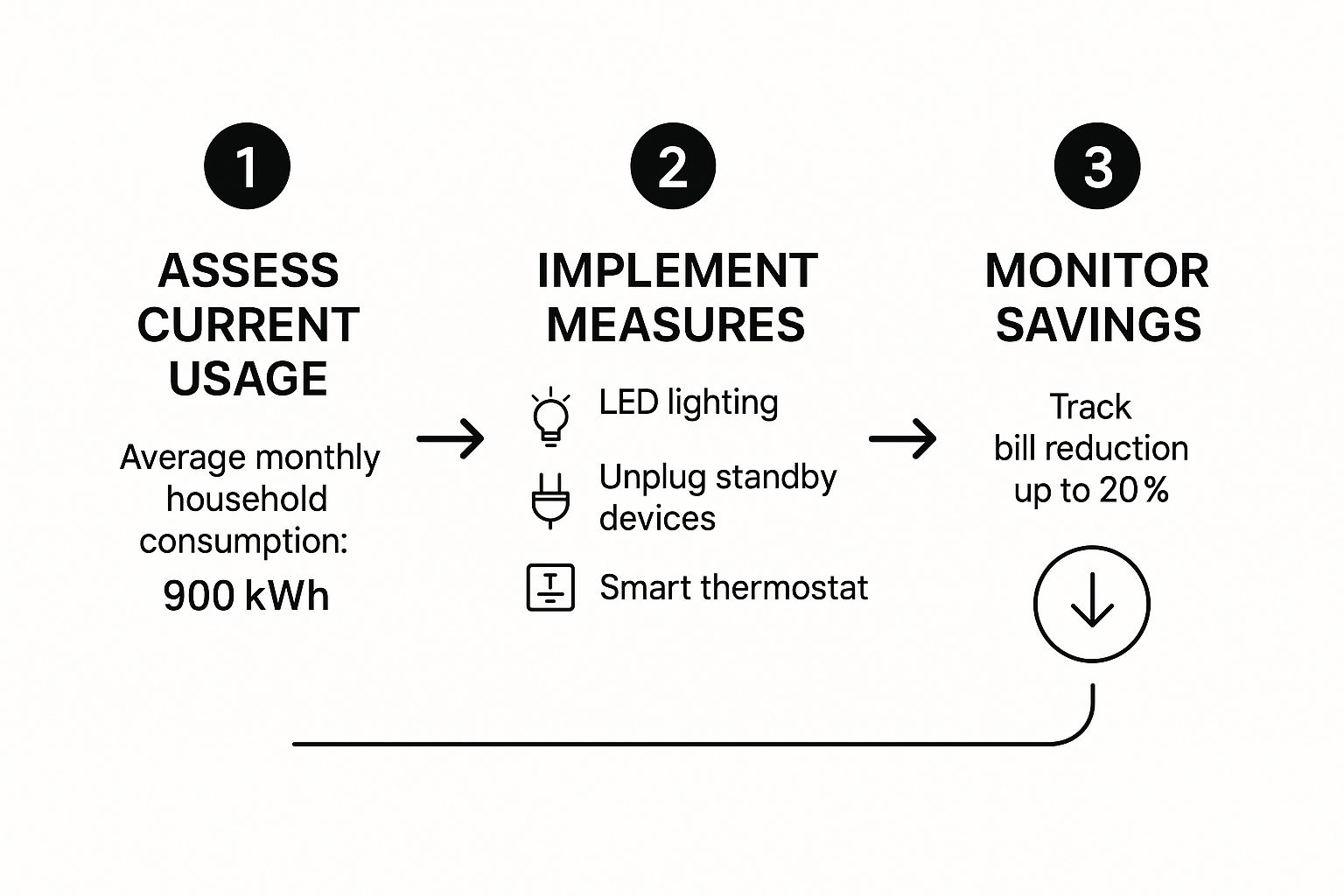
As you can see, it starts with understanding how much energy you use now. Then, making changes like installing a smart thermostat and tracking your progress can lead to savings of up to 20%.
Build Energy-Saving Habits
Upgrading your home's technology is only half the story. Your daily habits are just as important. A few simple actions can make your home more efficient without changing your comfort.
Here are a few things you can do today:
- Unplug "Vampire" Electronics: Many electronics use power even when they're off. This is called "phantom load." Your TV, coffee maker, and phone chargers are common culprits. Unplug them when you aren't using them, or use a power strip that you can turn off.
- Adjust Your Thermostat: This is a big one. Turning your thermostat down a few degrees in the winter or up a few in the summer can save a surprising amount of money. You likely won't even feel the difference.
- Run Appliances at Night: Many utility companies charge less for electricity at certain times of day, called "off-peak" hours. Check with your provider and try running your dishwasher and washing machine late at night.
For more great ideas, check out this guide with smart tips for saving electricity at home. It can help you cut your bills even more.
Quick Wins for Immediate Electricity Bill Savings
If you want easy changes that give you the biggest savings, this table is for you. Here are a few things you can do this week.
| Action Item | Potential Monthly Savings | Effort Level |
|---|---|---|
| Switch to LED Bulbs | $5 – $15 | Low |
| Install a Smart Thermostat | $10 – $20 | Medium |
| Unplug Phantom Load Devices | $5 – $10 | Low |
| Wash Clothes in Cold Water | $4 – $12 | Low |
| Air Dry Dishes | $3 – $7 | Low |
These are just ideas to get you started. The key is to begin somewhere. Pick one or two from this list to start saving money and energy.
Uncovering Hidden Energy Waste in Your Home
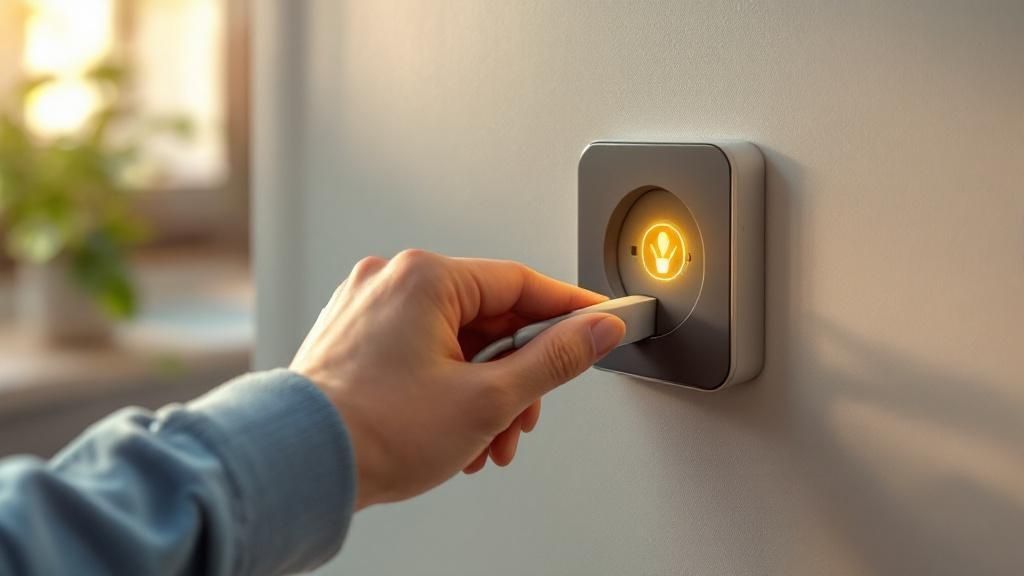
You can't fix a problem you don't know you have. Before you spend money on upgrades, the first step is to find where your home is quietly losing energy. It’s like being a detective, and you don't need any special tools to begin.
Your utility bill is the first clue. Look at the usage charts, not just the total amount due. You might see that your energy use goes up every afternoon. This could mean your air conditioner is working too hard against the Central Coast sun.
Hunting for Phantom Loads
One of the sneakiest reasons for a high electric bill is "phantom load," also called "vampire power." This is the small amount of electricity your electronics use even when they're off or in standby mode.
The U.S. Department of Energy says these phantom loads can be 5% to 10% of a home's energy use. That's like paying for a full month of electricity you never even used.
A phantom load is like a slow, dripping faucet. One drop doesn't seem like much, but over time, it adds up to a huge amount of wasted water—and money.
To find these energy vampires, walk through your house. Look for anything with a standby light, a clock, or a remote. Common offenders include:
- Televisions and cable boxes
- Video game consoles
- Coffee makers and microwaves
- Phone and laptop chargers left plugged in
The fix is simple. Plug these devices into a power strip. With one flip of a switch, you can cut their power completely when you aren't using them.
Finding and Sealing Air Leaks
Another big source of energy waste is air leakage. Small gaps around your windows, doors, and outlets let your expensive heated or cooled air escape. This makes your HVAC system work much harder to keep you comfortable.
Finding these leaks is easy. On a windy day, hold your hand near a window or door. If you feel a draft, you have a leak.
Sealing these gaps with caulk or weatherstripping is a great weekend project. It costs very little but saves a lot of money and makes your home feel more comfortable. Upgrading your lighting is another great way to cut energy use. You can learn more about LED lighting and its energy savings in our detailed guide.
Making Smart Upgrades to Appliances and Lighting
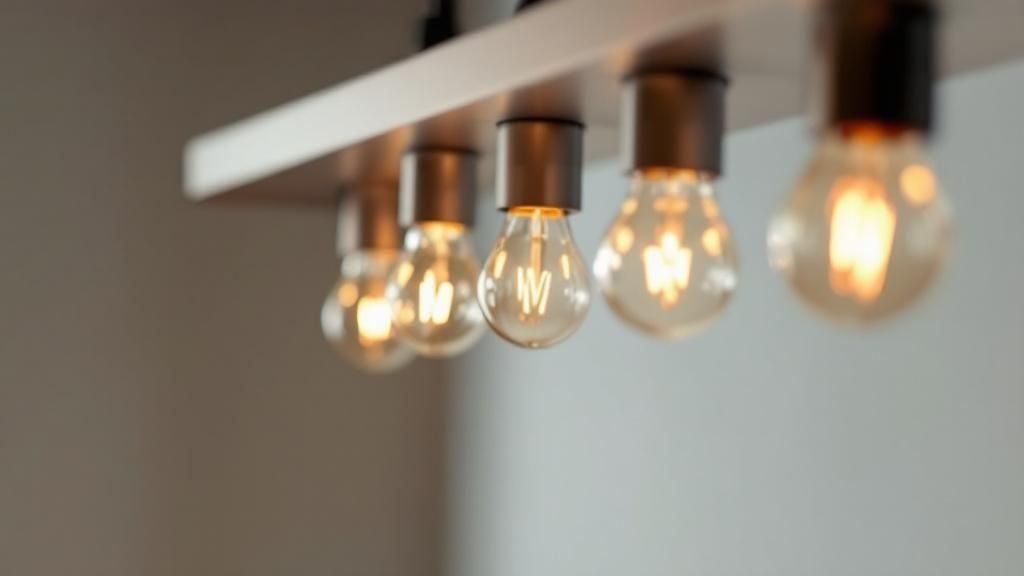
While changing your habits helps, some of the biggest energy users are your appliances and lights. Old technology can add hundreds of dollars to your yearly electricity costs without you knowing it.
Making a few smart upgrades is one of the best ways to get long-term savings. This isn't about replacing everything at once. It's about being smart when you need a new appliance and choosing the upgrades that save you the most money.
Prioritize ENERGY STAR Appliances
When your old refrigerator or washing machine breaks, look for the ENERGY STAR label. This is a sign from the government that the appliance uses less energy than standard models. It often uses 10% to 50% less, according to the U.S. Department of Energy.
That might not seem like a lot. But over the 10- to 20-year life of a major appliance, those savings add up. The new, efficient model can pay for itself through lower monthly bills.
Think of an old appliance like a car with a slow gas leak. You wouldn't keep driving it without fixing the problem. The same idea applies to the power-hungry machines in your home.
Before you buy, look for the bright yellow EnergyGuide label. This sticker estimates the appliance's yearly operating cost. It makes it easy to compare the true, long-term cost of different models.
The Power of an LED Lighting Upgrade
No other home upgrade has a faster impact on your electricity bill than switching to LED lighting. If your home still uses old incandescent or even CFL bulbs, you are spending too much on lighting.
LEDs are a game-changer for a few key reasons:
- Great Efficiency: They use up to 75% less energy than old incandescent bulbs to make the same amount of light.
- Very Long Life: A good LED bulb can last 25 times longer than an old one. This means you save money on buying new bulbs, too.
- Better Quality: Today's LEDs offer beautiful, warm light. Many are also dimmable, giving you full control over your home's atmosphere.
For homeowners here in Monterey and Santa Cruz, upgrading to LEDs is a very smart move. The clean, crisp light looks great with the coastal style of our local homes. To see how these upgrades can change your space, you can explore some great energy-efficient lighting solutions.
Smart Lighting and Dimmers for a Coastal Lifestyle
Adding smart controls like dimmers and timers can cut your electricity use even more. Dimmers alone can reduce a light's energy use and make the bulb last longer.
This kind of control is perfect for our Central Coast lifestyle. You can program your outdoor lights to turn on at sunset or dim the living room lights for a relaxing evening. You only use the energy you need, when you need it. This cuts down on waste and makes your home more comfortable.
Exploring Renewable Energy for Your Home
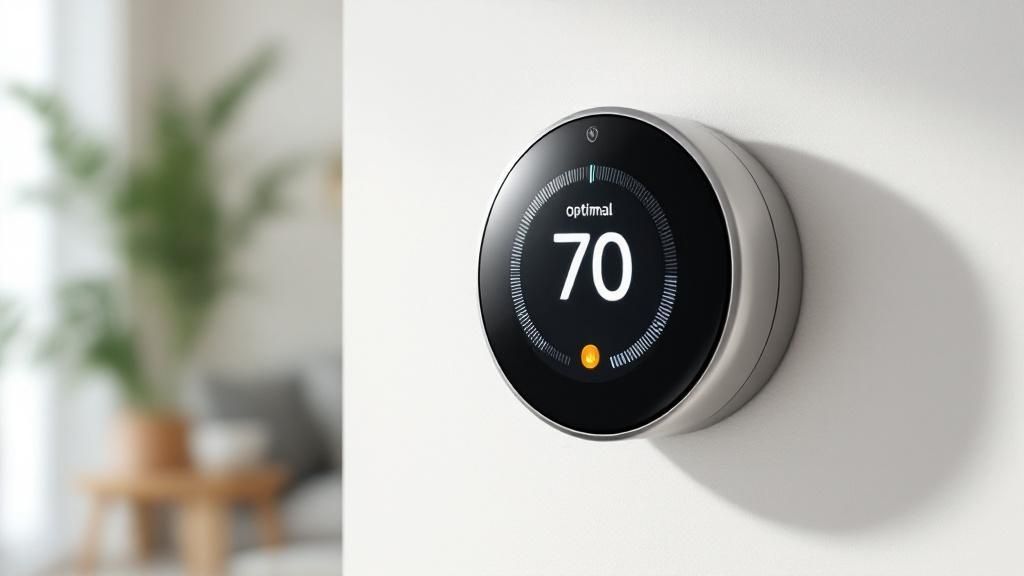
Imagine making your own clean power from your rooftop while your electricity meter spins backward. For many homeowners, this is a real option. Going solar is one of the biggest long-term steps you can take to reduce your need for the utility grid.
Here on the Central Coast, from Salinas to Santa Cruz, we are lucky to have lots of sunshine. This makes our homes perfect for solar power. Panels on your roof catch sunlight and turn it into electricity for your home. It’s a quiet, clean, and affordable way to control your energy costs.
How Solar Power Puts a Dent in Your Bills
The best part about solar is how it lowers your electricity use. During the day, your panels often make more power than your house needs. This extra energy is sent back to the grid, and your utility company gives you a credit for it. That credit then helps lower your future bills.
Also, the cost of solar has dropped a lot. The price for solar panels has fallen by 85% since 2010. This has made solar a smart investment for many families. Most homeowners see their electricity costs drop by 40–70% after switching.
Investing in solar is like a long-term plan for financial and energy freedom. You are basically paying for decades of electricity at a fixed, lower rate.
Pairing Solar with Battery Storage and Smart Systems
To get true energy independence, many homeowners are pairing solar panels with a home battery. A battery stores the extra solar energy your panels make during the day. You can use that stored power at night or during a power outage.
This control works well with smart home technology. When you connect your solar and battery system with smart thermostats and lighting, you create a very efficient home. You can learn more about the best smart home lighting systems that work with a setup like this.
Keeping your system working well is key. If you have solar panels, you want them at peak performance. For some great tips on keeping them clean, check out this helpful DIY Guide for Max Efficiency. A little upkeep makes a big difference in your savings.
Building Energy-Saving Habits That Stick
The best tool for lowering your electricity bill is you. While home upgrades make a big difference, small, consistent habits are what save you money in the long run. The best part is that these changes cost nothing.
It starts with a small change in how you think. Instead of seeing energy saving as a sacrifice, think of it as being smarter with your home’s resources. This is about creating an efficient home without giving up any comfort.
Master Your Thermostat and Water Heater
Your heating and cooling system is almost always the biggest user of electricity in your home. Finding the right spot on your thermostat is a simple habit that saves you money every month. Try setting it a few degrees higher in the summer and a bit lower in the winter.
Also, most water heaters are set too high when they are installed. Lowering the temperature to 120°F (49°C) is safe for most homes. It can cut down your water heating costs, which can be a large part of your energy bill.
The best energy-saving habits are the ones you can set and forget. A one-time change to your water heater temperature, for example, provides constant savings with no more effort.
Time Your Chores and Stop Phantom Power
Many utility companies in California have "time-of-use" rates. This means electricity costs more during peak hours, usually in the late afternoon. A simple habit is to run big appliances like the dishwasher and washing machine during off-peak hours, like overnight.
Another key habit is to stop phantom energy drain. Many of your electronics pull a small amount of power even when they are "off."
- Use Power Strips: Plug your TV, computer, and other devices into a power strip. With one flip of a switch, you can cut their power completely when you are done.
- Unplug Chargers: Phone and laptop chargers still use energy even when they aren't connected to a device. Make it a habit to unplug them when your gadget is fully charged.
These small changes, along with choosing the best energy-efficient light bulbs, are the real foundation of an efficient home.
Our Approach to High-Efficiency Lighting Design
A beautifully lit home should not mean a high energy bill. At The Home Lighter, we combine stunning lighting design with smart strategies that lower your electricity costs. Our process is built to find and eliminate energy waste while making your home look its best.
It all starts with a look at your current lighting. Our team walks through every room to find outdated fixtures, inefficient bulbs, and chances for smarter control. We want to understand how you live in your space, from the bright light you need in the kitchen to the soft glow you want in the living room.
A Custom Plan for Real Savings
Once we understand your home and habits, we create a specific plan. We will recommend high-efficiency LED products that fit your style and design a system of smart controls to go with them. This might mean installing dimmers, timers, or motion sensors. The goal is simple: only use light when and where you need it.
For our clients in Monterey, Salinas, and Santa Cruz, we create lighting plans that fit our unique coastal lifestyle and local home styles.
Professional lighting design is more than just picking out nice fixtures. It's about creating a smart system that saves you money and makes your home a more comfortable place to be.
Our goal is to give you a space that is both stylish and saves you money. We want to prove you never have to choose between the two.
Common Questions About Lowering Energy Bills
When you start looking into energy savings, you might have questions. We understand. Homeowners in the Monterey Bay area ask us about this all the time. Here are some clear answers to the most common questions.
What is the biggest user of electricity in my home?
For most homes, the biggest power user is the HVAC system—your heating and air conditioning. It can be responsible for almost half of a home's total energy use.
Your water heater is usually next, followed by appliances like your refrigerator and clothes dryer. Lighting also uses a lot of power, which is why upgrading it can have such a big impact. This article on the common causes of high electricity bills and their solutions offers a great breakdown.
How much can I really save by switching to LEDs?
The savings are real, and they start right away. Modern LED bulbs use up to 75% less energy than old incandescent bulbs to produce the same amount of light.
Think about it this way: one ENERGY STAR-certified LED bulb can save you over $50 in electricity costs over its life compared to an old incandescent bulb. Now, multiply that by every light in your home.
Is it better to use LED or CFL bulbs?
Today, this isn't a close contest. While both LEDs and CFLs (Compact Fluorescent Lamps) are much better than old incandescent bulbs, LEDs are the clear winner.
Here’s why we always recommend LEDs:
- They Last a Long Time: LEDs have a very long lifespan compared to CFLs, so you will change bulbs less often.
- Instant, Quality Light: CFLs can take a moment to warm up and flicker. LEDs turn on instantly with bright, high-quality light.
- Safer and Stronger: LEDs are much more durable. They also don't contain mercury like CFLs do, which makes them safer for your family and easier to get rid of.
Our guide on CFL vs. incandescent lighting shows just how much bulb technology has improved.
Are smart home devices worth the cost for energy savings?
Yes, but only if you use them. A smart thermostat is a great example. It learns your family's schedule and automatically adjusts the temperature, so you stop paying to heat or cool an empty house.
Smart lighting and smart plugs offer similar benefits. They give you more control, making sure energy is only used when and where it’s needed. While they cost more at first, these devices are designed to pay for themselves over time through lower utility bills.
How can a lighting expert help me save money?
A lighting expert does more than just help you pick out fixtures. We create a full plan for your home. We look for ways to use natural light, choose the most efficient bulbs and fixtures, and install smart controls like dimmers and timers. This ensures your home is beautiful and uses as little energy as possible.
Ready to transform your home with lighting that is both beautiful and efficient? The team at The Home Lighter Inc. is here to help you design a system that fits your lifestyle and lowers your bills. Visit us in Pacific Grove to get started.