
The world of lighting is changing fast. For any home project planned for 2026, energy-efficient lighting is no longer just a nice feature—it's a must-have. This big shift is driven by rising energy costs, smarter homeowners, and new building codes.
This change is about more than being "green." It's about building homes that are smarter, save money, and hold their value for years to come. For anyone building or remodeling on the Central Coast, getting lighting right is key to a successful project.
Why Energy-Efficient Lighting Is No Longer an Option
When you plan a project for 2026, lighting can't be an afterthought. Performance, cost savings, and sustainability now matter as much as style. Homeowners today are more informed than ever.
They understand that the lighting choices made during a build will affect their utility bills for years. This is why we get as many questions about energy ratings as we do about fixture finishes. This changes how we approach remodels and new builds.
A Major Shift in the Market
Recent data shows just how big this trend has become. Mentions of "outdoor low-voltage lighting" in home listings jumped an incredible 91% from 2024 to 2025. This signals a huge demand for energy efficiency that has now moved inside the home, too.
Homeowners in places like Monterey and Carmel are now asking about efficiency before they even discuss style. This new focus on performance and long-term value is reshaping the entire conversation around home design and construction.
The Problem for Outdated Contractors
Contractors who still treat lighting as just a design choice are falling behind. When clients are asking about performance and you're only talking about style, you seem out of touch. This can hurt your credibility and lead to missed opportunities.
Ignoring these trends means you're not meeting your clients' expectations. They are looking for experts who understand modern, high-performance homes.
The Clear Solution for Modern Builders
The solution is to embrace this shift. At The Home Lighter, we help contractors select beautiful interior fixtures that are also highly efficient. We focus on products that are ENERGY STAR–rated and meet California’s Title 24 requirements.
Our team keeps you updated on what clients expect and what regulations require. We help you blend great design with low-wattage performance, so your projects are always ahead of the curve.
The Benefits of Leading the Way
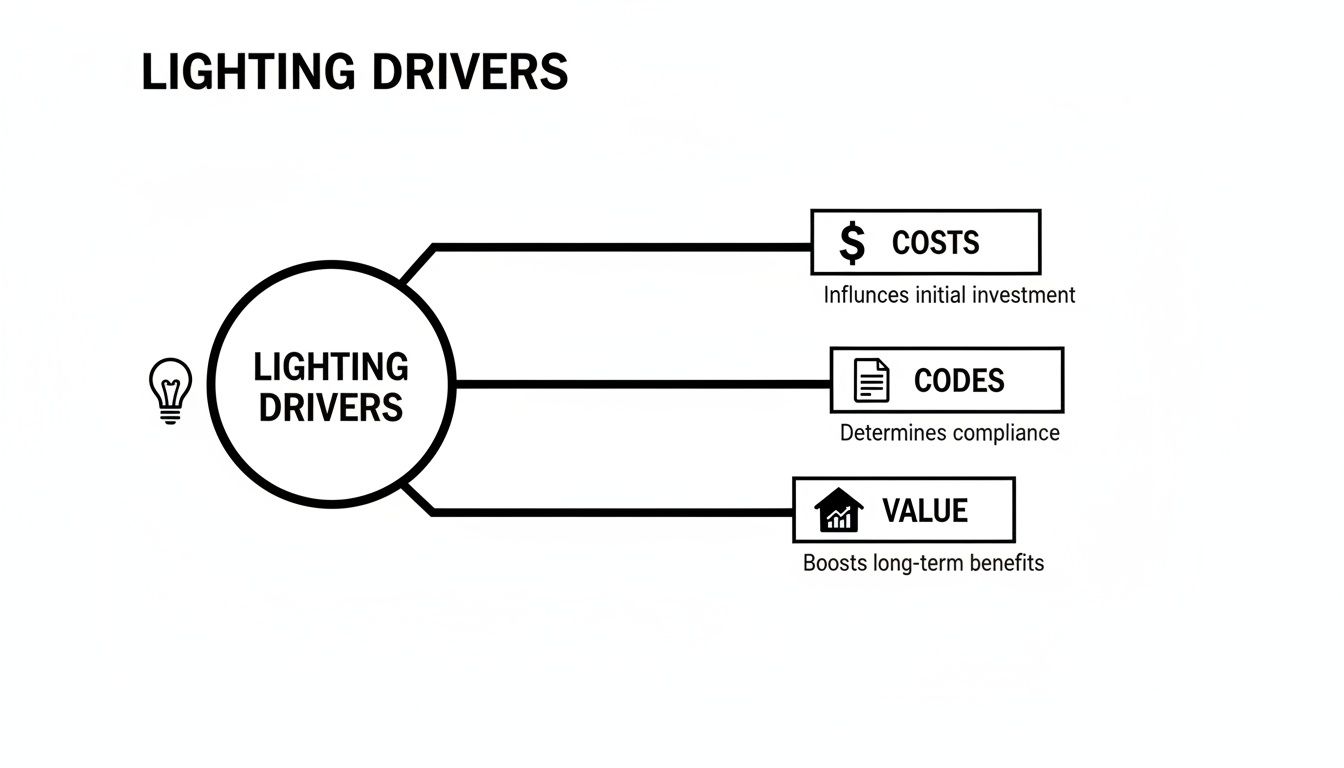
When you align with the energy-conscious mindset, you build more trust with your clients. You close more deals with informed homeowners who see the value you provide. You also future-proof your work against upcoming changes in building codes.
Plus, your clients will see immediate benefits. They'll enjoy lower energy bills and a higher resale value for their home. It's a win-win for everyone involved.
What This All Means for Your Project
Simply put, you can't afford to ignore this. A project planned for 2026 that overlooks lighting efficiency will feel dated before it’s even finished. It's not just about passing inspection; it's about meeting modern expectations.
For a deeper dive into the numbers, check out our guide on LED lighting and energy savings. Remember, great lighting is just one part of a smart home. There are other proven tips to lower your electric bill to consider, especially in our warm climate.
Understanding the Tech Behind Brighter, More Efficient Homes
The surge in energy-efficient lighting is powered by amazing technology. To plan for 2026 projects, it helps to know what's behind this change. We're moving beyond just saving money and into a world of better performance.
The star of the show is the LED, or Light Emitting Diode. An old incandescent bulb wastes a ton of energy as heat. An LED creates light directly from electricity, using much less energy and creating almost no heat.
This key difference is why LEDs have changed the game. They offer benefits that improve homes across the Monterey Peninsula, from Salinas to Santa Cruz.
The Clear Advantages of LED Technology
The move to LED lighting is happening because the benefits are too good to ignore. For homeowners and builders, it's a huge leap forward.
Here are the biggest wins:
- Incredible Lifespan: A quality LED can last 25,000 to 50,000 hours. A fixture you install in 2026 could still be working in 2046.
- Superior Durability: LEDs are solid and tough. They don't have fragile glass parts, making them perfect for our coastal climate.
- Amazing Light Quality: Today's LEDs show true colors. The paint on your walls and the tones in your furniture will look exactly as you intended.
LEDs are the champions of efficient lighting. They use up to 90% less energy than old bulbs. See how they can work in your home with our guide on what you need to know about LED retrofit fixtures.
Smart Controls: The Brains Behind the Bulbs
High-performance LEDs are only half the story. The real magic happens when you pair them with smart controls. These systems unlock the full potential for savings and convenience.
Smart controls are practical tools that make a home more comfortable and efficient. They let you create the perfect mood for any occasion. Imagine your lights automatically dimming for a relaxing evening in your Pacific Grove home.
Navigating New Building Codes and Standards in 2026
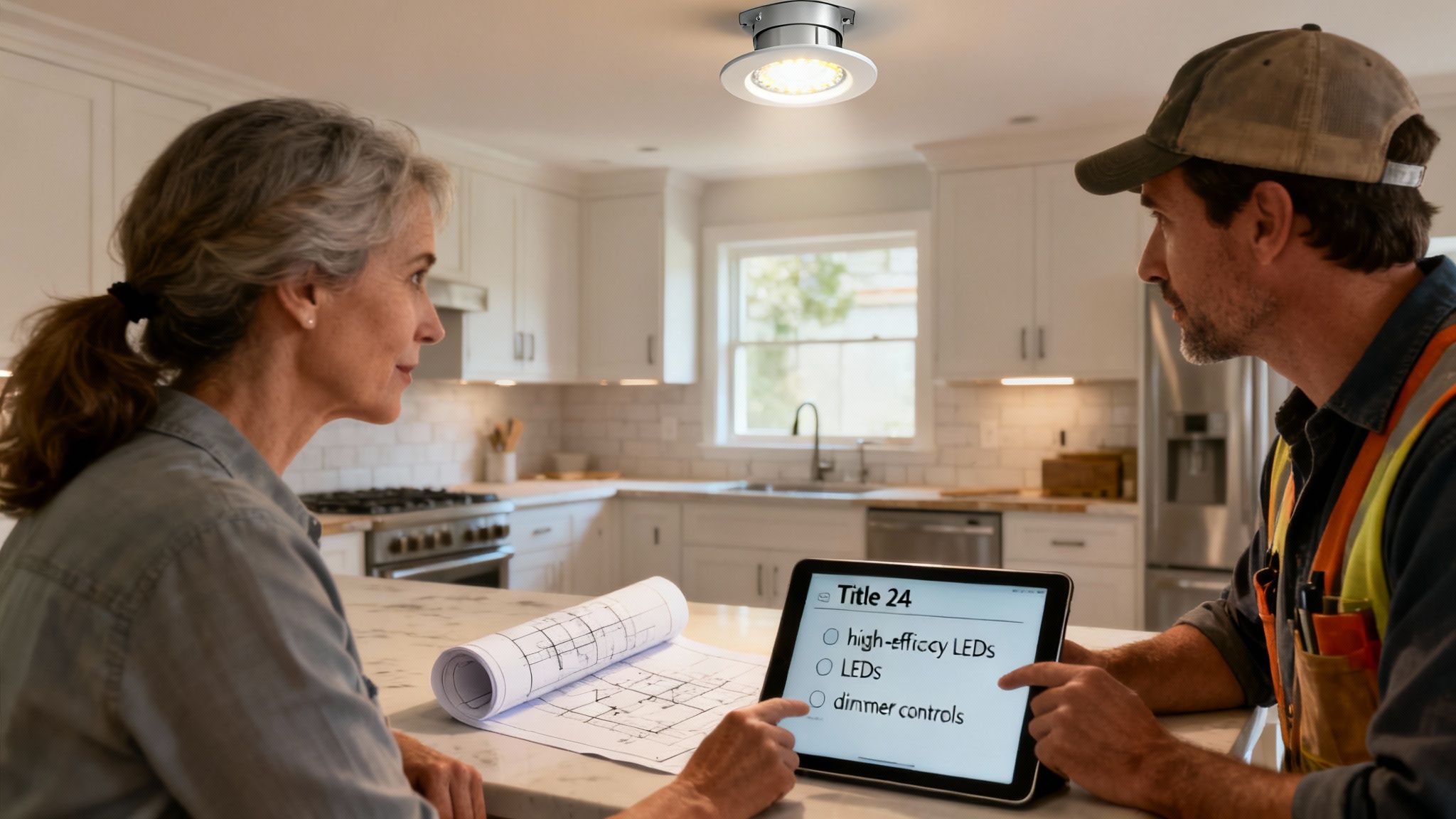
The push for energy-efficient lighting is now written into law. For any project planned for 2026, understanding building codes is key. These rules move efficient lighting from a "nice-to-have" to a "must-do."
Here on the Central Coast, the most important rulebook is California’s Title 24. Think of it as a blueprint for a better, more efficient home. Lighting is a huge piece of that puzzle.
Making Sense of California's Title 24
Title 24 might sound complex, but its lighting rules are simple. The code focuses on two main ideas: using high-performance lights and having smart control over them. It ensures every bit of electricity is used wisely.
For example, a kitchen remodel in your Santa Cruz home now requires high-efficacy lights. This means your fixtures must be LED or another approved efficient technology. The days of using old-school incandescent bulbs are over.
The code also requires lighting controls like dimmers or motion sensors in certain areas. To learn more, check out our guide to California Title 24 lighting requirements.
How ENERGY STAR Simplifies Your Choices
While Title 24 sets local rules, national standards like ENERGY STAR make finding the right products easy. The blue ENERGY STAR label is a seal of approval. It means the product meets strict energy performance standards.
Choosing ENERGY STAR products is one of the simplest ways to meet and exceed code requirements. This will be especially true for 2026 projects, where high performance will be the expected standard.
Your Local Guide to Compliance
This is where having an expert helps. For any project on the Monterey Peninsula, our team at The Home Lighter is your local compliance guide. We translate the technical jargon of Title 24 into beautiful, practical solutions.
We help you select fixtures that are both stunning and fully compliant. Partner with us, and you can rest easy knowing your lighting plan is efficient, legal, and perfect for your home.
The New Conversation Builders and Homeowners Must Have
The script has officially flipped. For years, the conversation about lighting was all about style. But today, smart homeowners are asking about performance first.
The first question is no longer "Does it look good?" Now it's, "How efficient is it?" For any project slated for 2026, this new conversation is where successful partnerships begin.
From Aesthetics to Analytics
This change is driven by informed consumers. They know that a choice made during a remodel will show up on their energy bills for a decade or more.
For contractors, ignoring this is a major mistake. A builder who only talks about style while the client is thinking about energy savings will seem out of touch. This can damage trust and cost you the project.
How to Frame the Efficiency Conversation
The best contractors lead the conversation themselves. They frame efficient lighting as a premium benefit—a mark of quality craftsmanship that delivers real value.
Here’s how you can turn this into a powerful selling point:
- Showcase Lower Utility Bills: Explain how efficient fixtures lead to lower monthly expenses.
- Highlight Increased Home Value: Position efficient lighting as a modern feature that boosts resale appeal.
- Emphasize Superior Quality: Connect low-wattage performance with better technology and longer lifespans.
By embracing this new energy-conscious mindset, you build trust and close more projects. For contractors in Salinas, Santa Cruz, or Monterey, The Home Lighter is your partner in mastering this new conversation.
Future-Proofing Your Home with Smart Lighting Choices
When we look ahead to 2026 projects, the smartest decisions are about preparing for the future. True future-proofing means choosing lighting systems that can adapt to tomorrow’s technology. It's about building in flexibility from the start.
This practical strategy adds real, lasting value to any home on the Monterey Peninsula. The goal is to make choices today that prevent your home from feeling dated in a few years.
Integrating with Smart Home Ecosystems
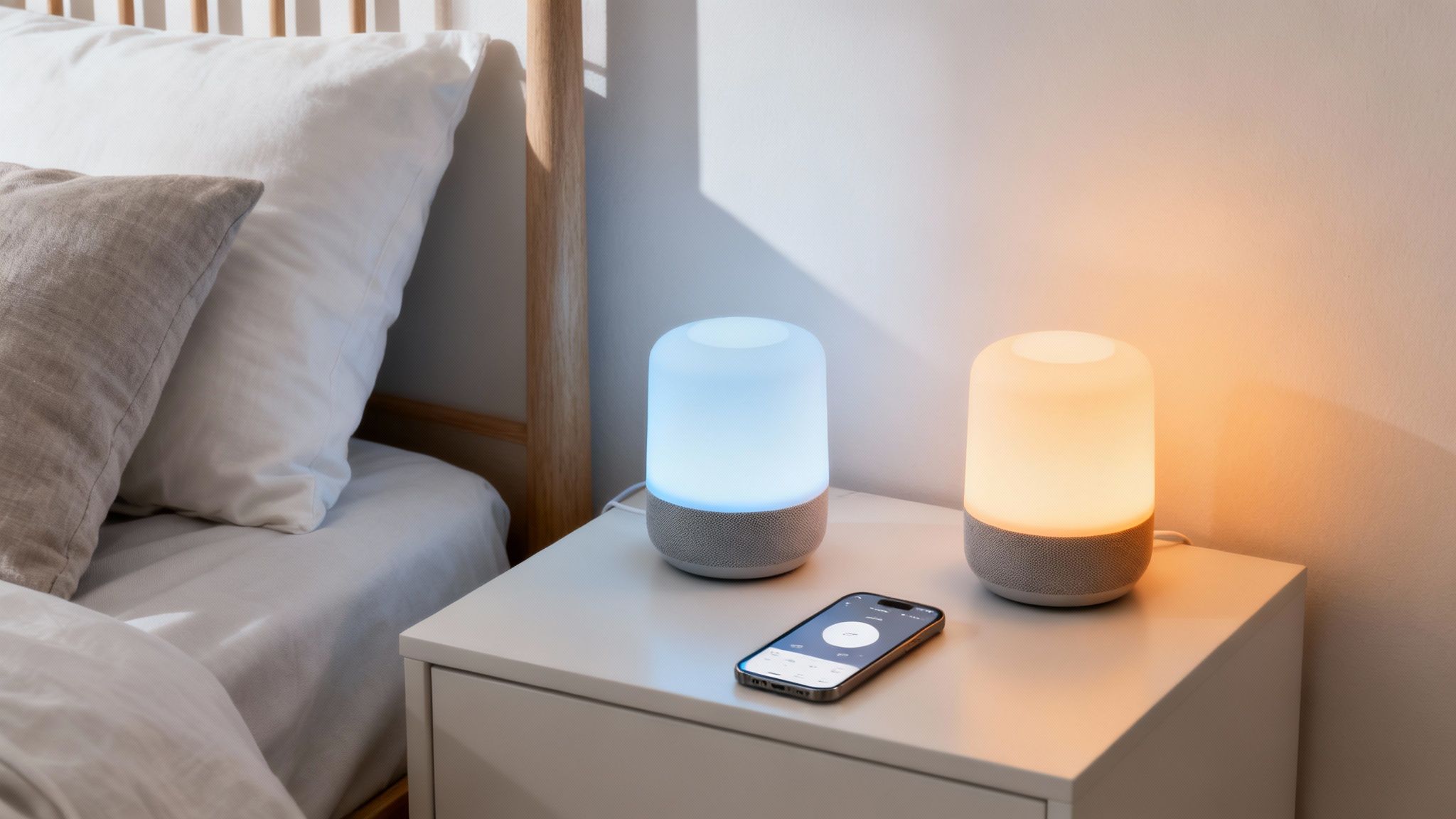
One of the biggest shifts is the rise of the connected home. A future-proof lighting system works with platforms like Google Home and Amazon Alexa. This puts control in your voice, your phone, and automated schedules.
This allows you to create "scenes" for your life, like a "Movie Night" setting that dims the lights with one command. Smart elements like lighting motion sensors are a great way to boost energy savings and comfort.
The Rise of Human-Centric Lighting
The next big thing is human-centric lighting. This technology, also called tunable white lighting, lets you adjust the color of your lights to mimic natural sunlight. It helps improve well-being and makes indoor spaces feel more comfortable.
For instance, you could tune your lights to a cool white on a foggy Pacific Grove morning to feel more energized. In the evening, the same lights can shift to a warm glow to help you relax. Our team can show you the smart lighting control systems that make this possible.
Comparing Traditional vs Future-Proof Lighting Decisions
Making the right call today makes a world of difference for your home's future value. Here’s how old-school thinking compares to a forward-looking approach.
| Outdated Approach | Future-Proof Approach for 2026 |
|---|---|
| Installing standard on/off switches everywhere. | Wiring for smart switches, even if you install them later. |
| Choosing bulbs based only on brightness (lumens). | Selecting tunable white LEDs for adjustable color temperature. |
| Treating lighting as a completely separate system. | Planning for integration with a whole-home smart ecosystem. |
| Ignoring the wiring behind the walls. | Running neutral wires and extra low-voltage wiring for future flexibility. |
By making these forward-thinking choices, you are building a home that is smarter, more comfortable, and ready for whatever comes next.
FAQs: Your Energy-Efficient Lighting Questions Answered
Here are answers to some common questions we hear from homeowners and contractors on the Monterey Peninsula.
1. Does energy-efficient lighting cost more upfront?
Sometimes, yes. High-quality LED fixtures can have a higher initial cost. But they save you much more money over time through lower energy bills and fewer bulb replacements.
2. Can I use new LED bulbs in my old light fixtures?
In many cases, yes. LEDs come in standard sizes that fit most older fixtures. However, make sure your old dimmer switches are compatible with new low-wattage LEDs to avoid flickering.
3. What is Title 24 and does it apply to my small remodel?
Title 24 is California's energy code. It applies to new construction and major remodels. If you are changing more than 50% of the lighting in a room, the new rules will likely apply to your project.
4. Is smart lighting complicated to set up and use?
Not anymore. Modern smart lighting is very user-friendly. You can start small with a few smart bulbs and control everything from an app on your phone.
5. Why is consulting a lighting expert important for my 2026 project?
A lighting expert ensures your project meets all current codes, like Title 24. We help you choose the right products that balance style, performance, and budget, future-proofing your home and saving you from costly mistakes.
Let Us Light the Way for Your 2026 Project
Planning a project for 2026 means building for a future with new rules. From Title 24 compliance to smart home integration, there's a lot to consider. But you don't have to do it alone.
At The Home Lighter, we are the trusted local partner for builders and homeowners on the Monterey Peninsula. We turn today's challenges into your project's greatest strengths. Serving clients in Salinas, Santa Cruz, or Pacific Grove? Visit The Home Lighter to explore efficient interior lighting solutions.
Ready to light up your next project? Stop by our showroom in Pacific Grove or book a consultation with our team. Let’s work together to make sure your 2026 project is perfectly prepared for the bright future ahead.